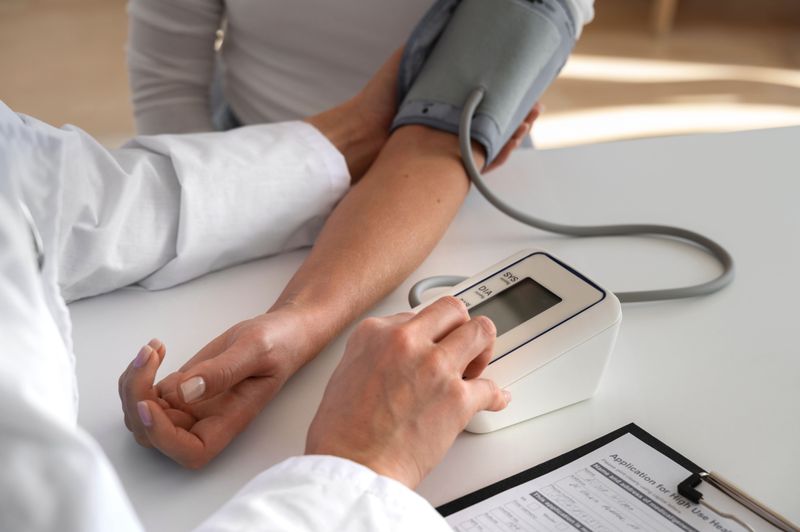
Chest discomfort is one of the most common reasons patients seek urgent medical attention. However, distinguishing between gastric distress, muscular strain, and a life-threatening acute coronary syndrome can be confusing for patients and families.
Key Red-Flag Symptoms of Cardiac Chest Pain
- Heavy, squeezing, or crushing pressure in the center or left side of the chest
- Pain radiating to the left jaw, neck, shoulder, or inner left arm
- Chest discomfort accompanied by cold sweating, dizziness, or sudden nausea
- Shortness of breath triggered by minimal exertion or occurring at rest
- Feeling of impending doom or unexplained extreme anxiety
Time is muscle. In acute heart attacks, every minute delayed in seeking medical care leads to irreversible loss of cardiac muscle cells.
Some chest symptoms are caused by reflux, muscle strain or other non-cardiac conditions. But symptom patterns overlap, so timing, severity and what the discomfort feels like cannot reliably rule out a heart emergency at home. New, worsening, persistent or unexplained chest discomfort needs urgent medical assessment.
What to do now
If chest discomfort is happening now, or comes with breathlessness, sweating, nausea, faintness, or pain spreading to the arm, back, neck or jaw, call your local emergency service or go to the nearest emergency department. Do not drive yourself. The priority is prompt assessment with an ECG and blood tests, not trying to decide at home whether it is gas or a heart problem.
What happens at the hospital
The clinical team will ask about the symptom, medical history and risk factors, then use tests such as an ECG and blood tests to look for evidence of acute coronary syndrome. Depending on the findings, care may include medicines, monitoring, and when needed, an urgent procedure to restore blood flow.

Your questions, answered
Call your local emergency service or seek the nearest emergency department immediately. Do not drive yourself. A clinician or emergency dispatcher can advise what to do while help is on the way.