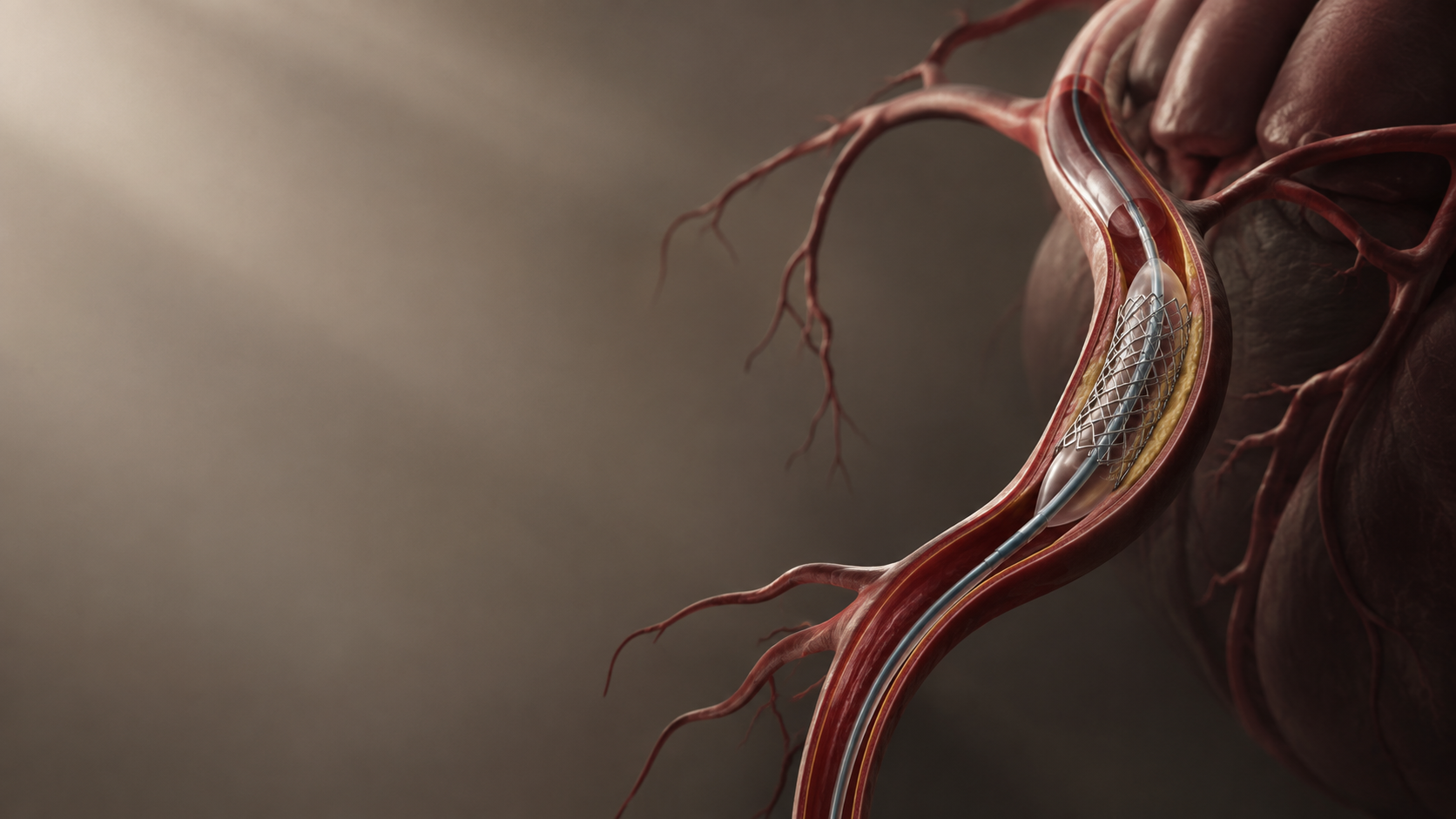
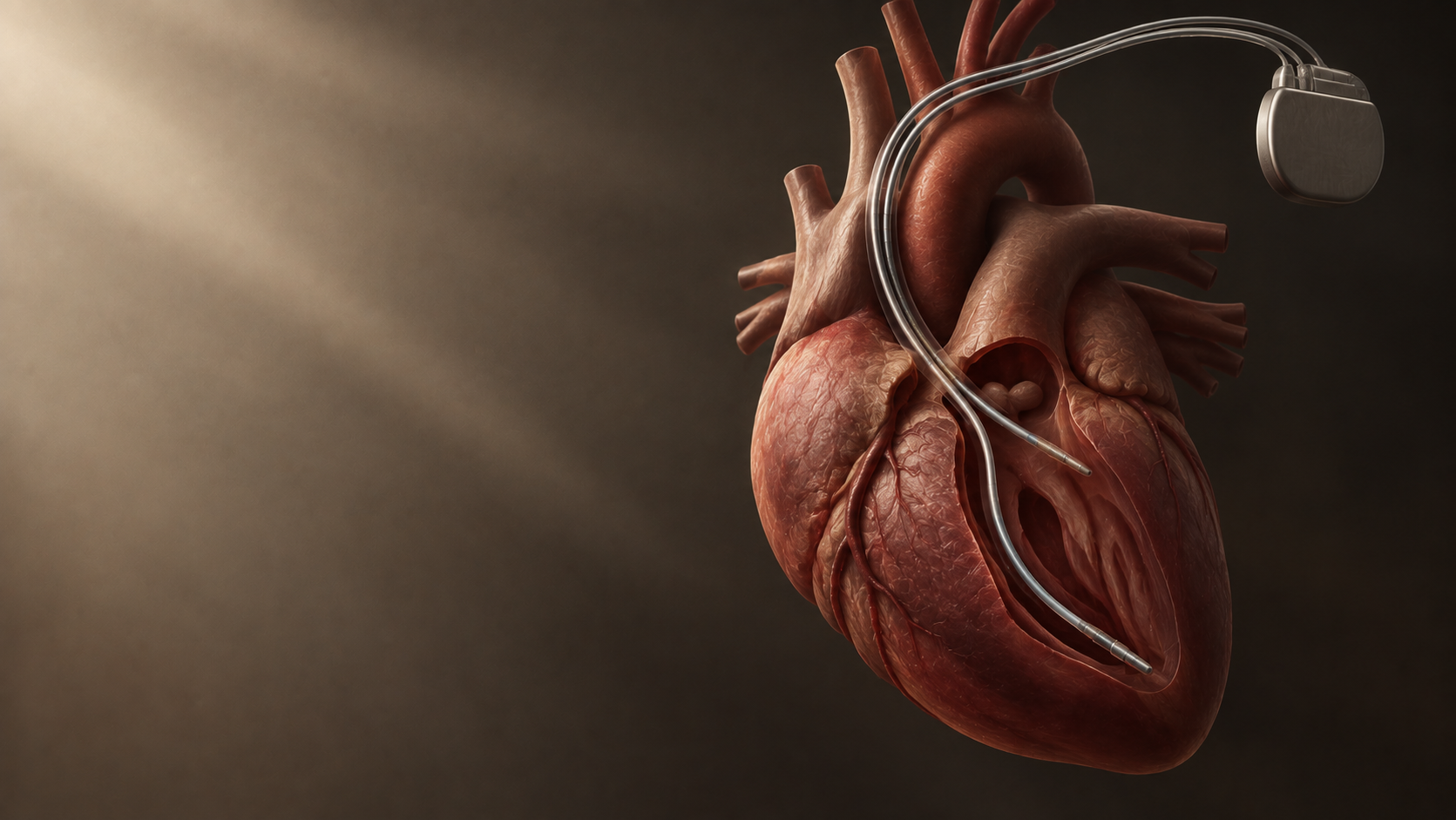
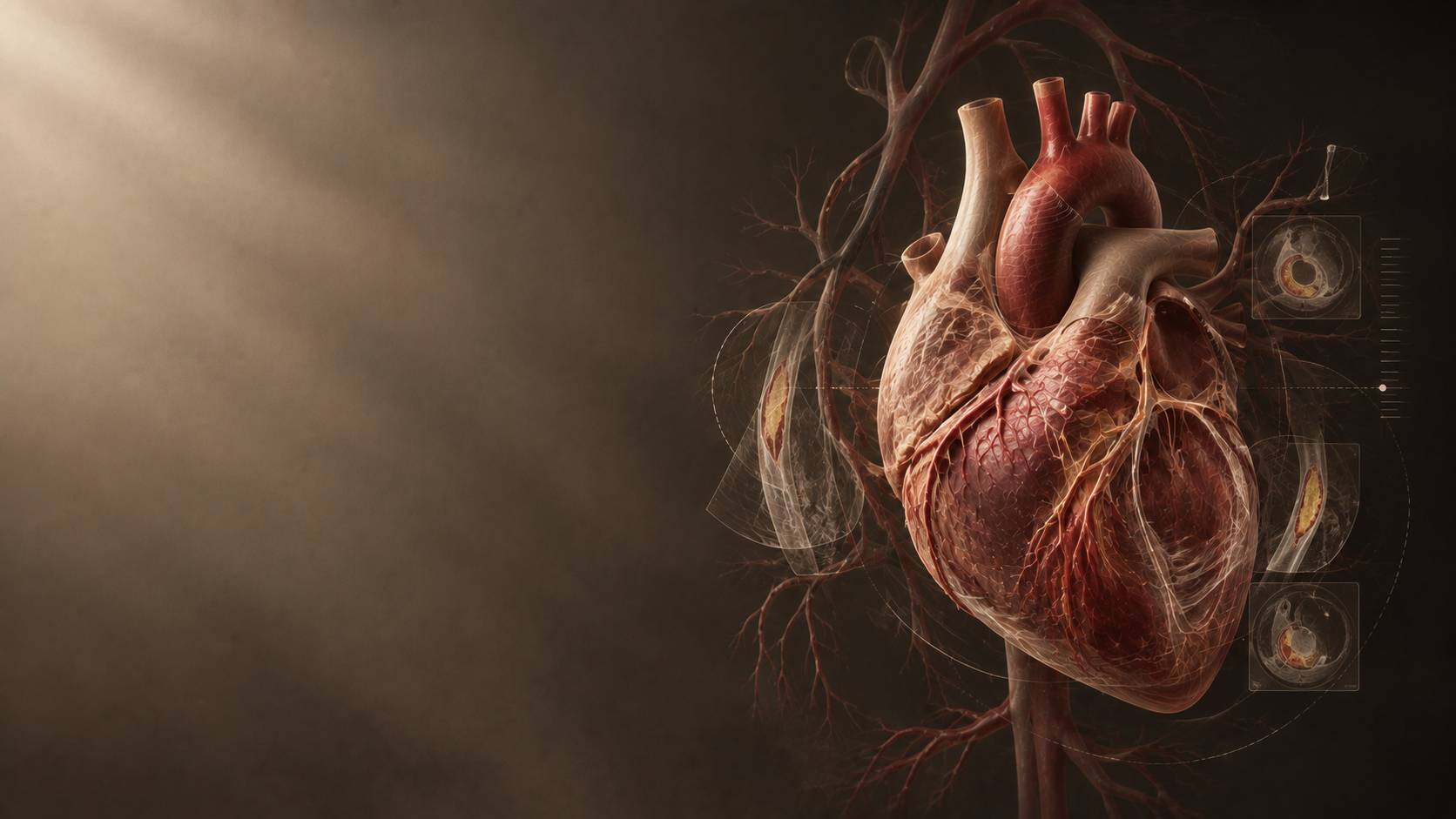
Dr. Sandhu evaluates each patient using multi-detector CT angiography and echocardiogram to determine valve dimensions, anatomical suitability, and safety profile.
Invasive CARDIOLOGY
TAVR / TAVI (Transcatheter Aortic Valve Replacement)
A catheter-based option for replacing a narrowed aortic valve.
Book a consultation About this treatment ↓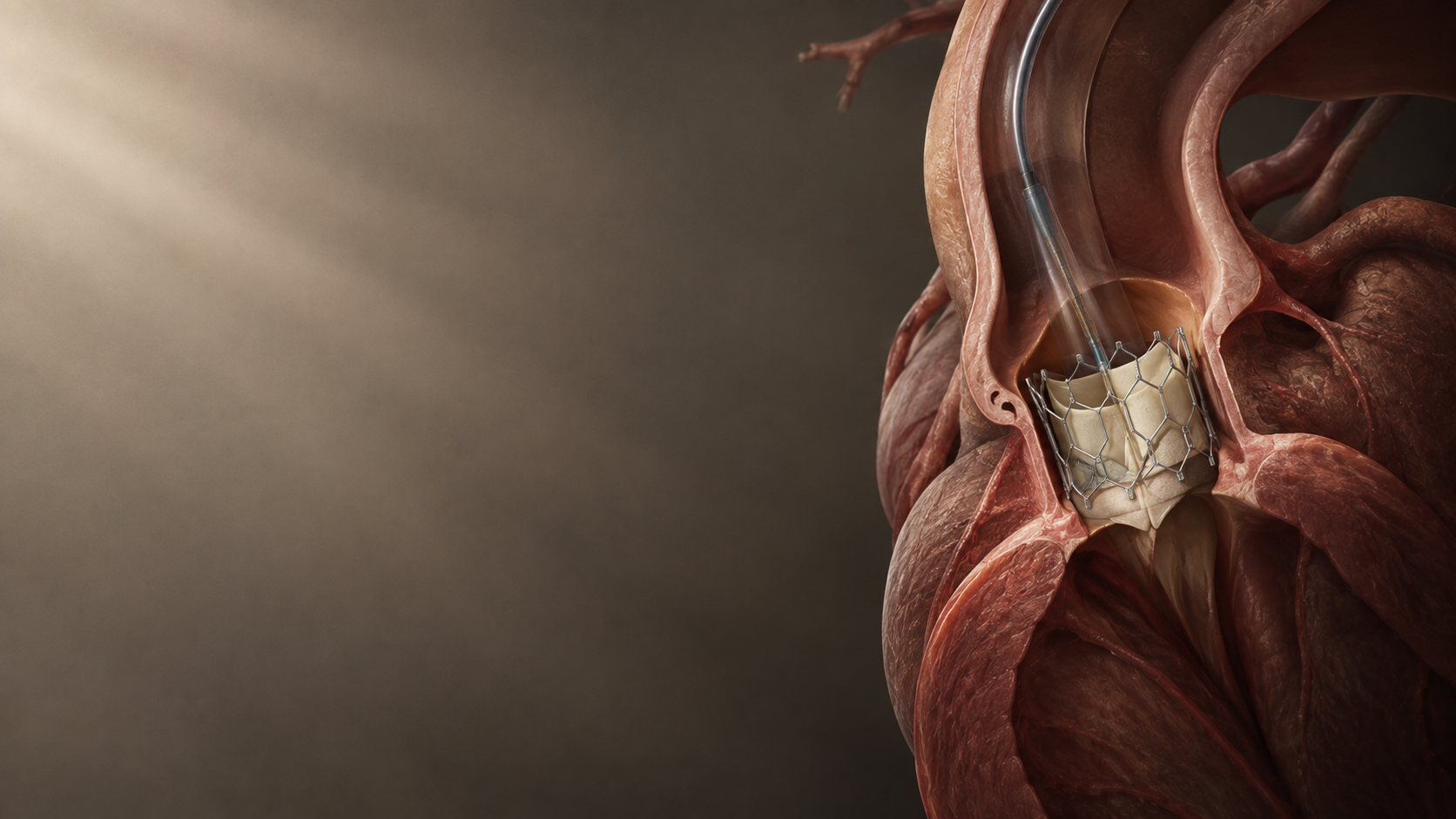
- The focus
- Aortic valve
- The approach
- Catheter-based treatment
- Your next step
- Personal assessment
ABOUT THIS TREATMENT
What you need to know.
A revolutionary catheter-based procedure replacing diseased, calcified aortic valves without open-heart surgery or chest incision.
01Understanding the treatment
Transcatheter Aortic Valve Replacement (TAVR), also known as TAVI, is a cutting-edge technique for treating severe aortic stenosis. Dr. Sandhu guides a collapsible replacement valve into the diseased heart valve through a small catheter inserted into the femoral artery, deploying a new functioning valve over the damaged one.
02Who may benefit?
- Seniors and adults with severe calcified aortic valve stenosis
- Patients deemed moderate, high, or prohibitive risk for open-heart surgery
- Individuals experiencing severe shortness of breath, dizziness, or chest tightness
- Patients seeking rapid recovery without sternotomy incisions
03What happens during treatment?
Conducted under conscious sedation or light anesthesia. A balloon-expandable or self-expanding prosthetic valve is navigated via catheter to the heart and deployed inside the native aortic valve.
04Recovery & follow-up
Immediate improvement in blood flow. ICU monitoring for 24 hours, hospital stay typically 2 to 3 days, full activity resumed within 1-2 weeks.
05Benefits of this approach
- No open-heart surgical incision or cardiopulmonary bypass machine
- Dramatically reduced recovery time (days vs. months)
- Immediate relief from breathlessness and fatigue
- Profound improvement in quality of life for elderly patients
A LITTLE MORE CLARITYYour questions,