
Heart failure sounds as if the heart has stopped. It has not. The American Heart Association uses the term for a heart that cannot keep up with its workload, so the body may not get the blood and oxygen it needs. Walking, climbing stairs, or carrying groceries can become difficult. Many people live well once the cause is found and treatment is adjusted over time.
Symptoms worth taking seriously
Fluid backs up when the heart does not empty or fill as it should. That fluid can collect in the lungs and in the tissues. The pattern matters more than any single symptom.
- Breathlessness during ordinary activity, at rest, or when lying flat, sometimes needing extra pillows
- Waking at night short of breath and needing to sit up
- A persistent cough or wheeze, occasionally with white or pink-tinged mucus
- Swelling in both feet, ankles, legs, or the abdomen, often with a sudden gain in weight
- Unusual tiredness with tasks that used to be easy, such as shopping or climbing a flight of stairs
- Loss of appetite, nausea, or a feeling of being full after little food
- A heartbeat that feels fast or pounding as the heart tries to compensate
- New confusion or memory trouble, which a family member may notice first
These symptoms also occur with lung disease, anaemia, kidney or liver problems, vein disease, and some medicines. Swollen ankles on their own do not prove the heart is failing. New, worsening, or combined symptoms need a clinical review rather than a decision made at home.
This is not the same as a heart attack
A heart attack is a sudden loss of blood flow to heart muscle. Heart failure is a longer problem with pumping or filling. A heart attack can later weaken the muscle, and so can years of high blood pressure, diabetes, a narrowed or leaky valve, or a rhythm that stays too fast. Sometimes the heart squeezes weakly. Sometimes the squeeze looks adequate, but the muscle is stiff and does not relax and fill well. Both patterns can cause breathlessness and swelling. An echocardiogram helps show which one is present, how strong the pump is, and how the valves are working.
The name sounds final. It describes a heart that cannot keep up, not a heart that has stopped.
What to do now
Sudden severe breathlessness, chest pain, fainting, coughing frothy or blood-tinged sputum, or new confusion needs emergency care. Call your local emergency service and do not drive yourself. Breathlessness that has built up over days or weeks, new swelling in both legs, or a clear drop in how far you can walk should be assessed soon, especially if you already live with high blood pressure, diabetes, a previous heart attack, or a heart murmur.
What the assessment usually includes
- A history of the symptoms, medicines, and other conditions
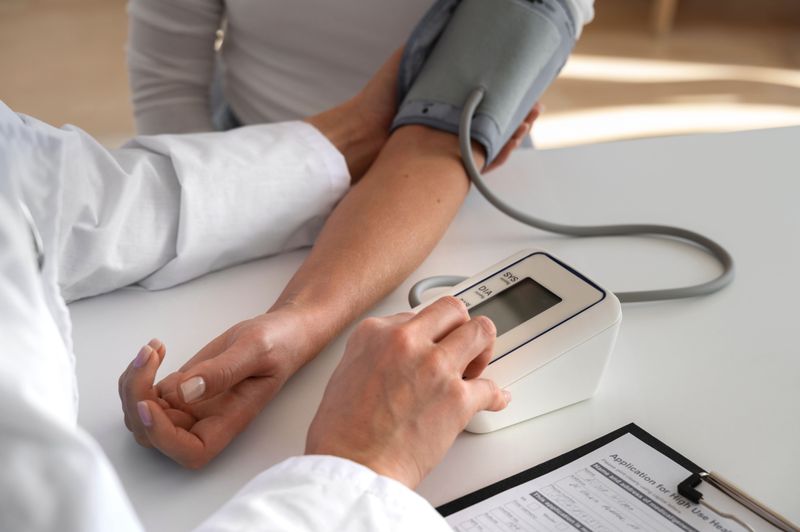
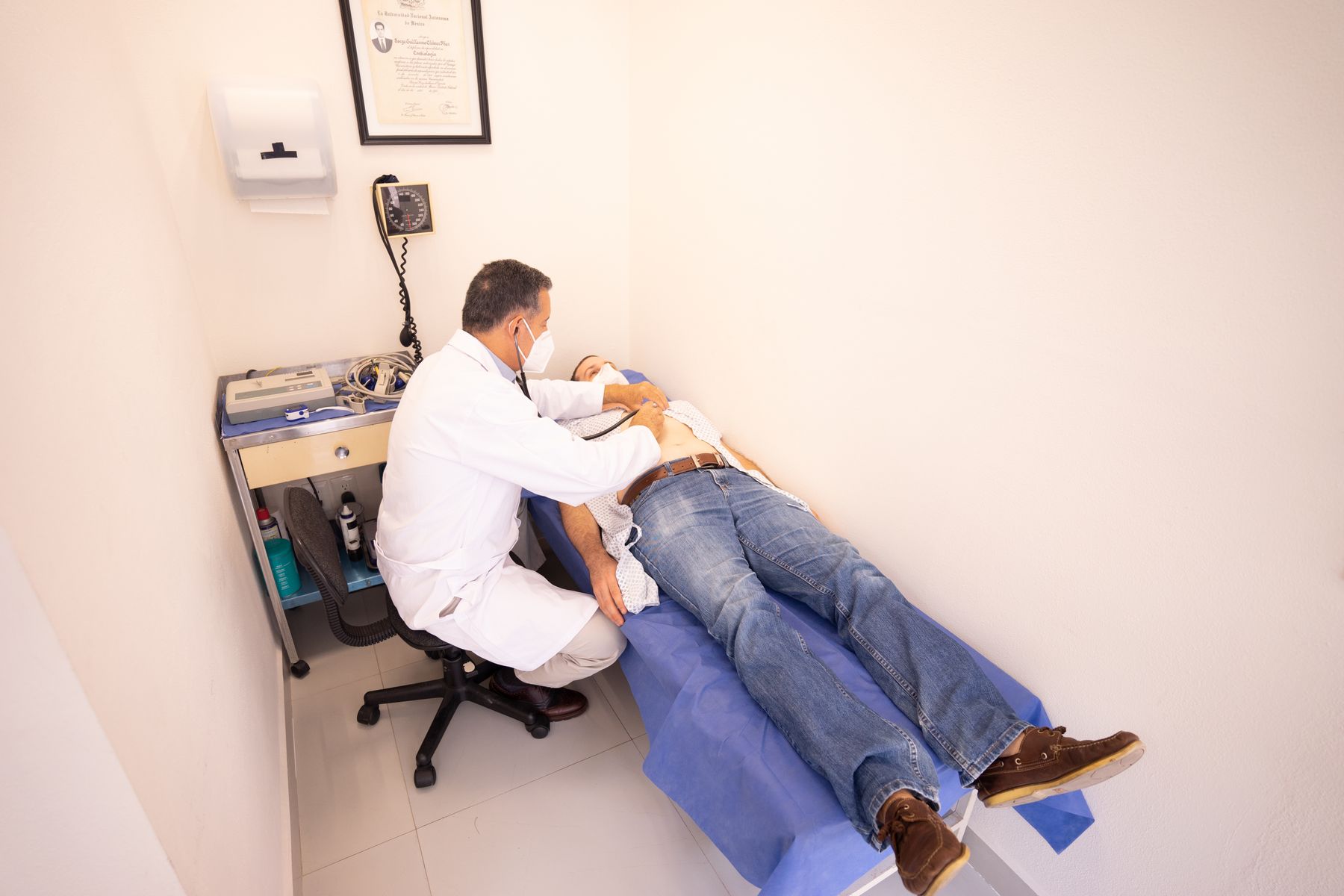
- An examination of the pulse, blood pressure, lungs, neck veins, and swelling
- Blood tests, which may include checks of kidney function, blood count, and heart-strain markers
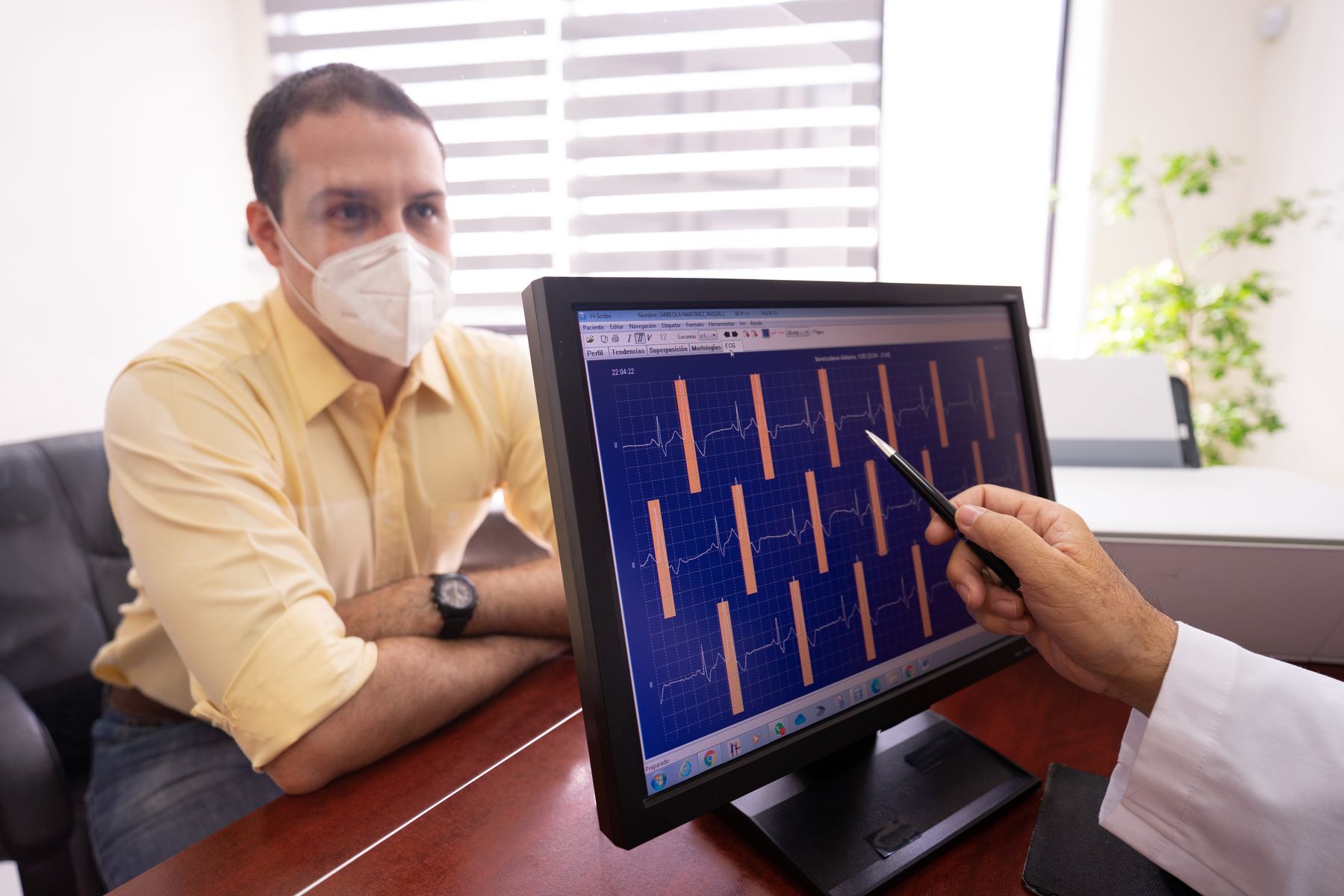
- An ECG to look at rhythm and electrical conduction
- An echocardiogram to measure pumping, filling, and the valves
- Further tests when the cause is still unclear, such as a chest X-ray or an assessment of the heart arteries
If heart failure is confirmed, treatment follows the type and the cause. For a weak squeeze, guideline-directed medicines are started and adjusted over several visits. They can ease symptoms and, for many people, reduce the chance of coming back into hospital. Salt, fluid, and daily weighing are individual. A morning weight, after using the toilet and before eating, often shows fluid building up before the swelling is obvious. Report a sudden gain, and also report worse breathlessness even if the scale has not moved. Use the thresholds your own clinician sets.
When a device is discussed
Medicines come first. For some people whose pumping stays weak and whose lower chambers do not beat together, cardiac resynchronisation therapy may be considered. CRT is a pacemaker with an extra lead that helps those chambers contract in a more coordinated way. It is not used for every type of heart failure, and it is not a substitute for medicines. A separate device, an implantable cardioverter-defibrillator, may be discussed when there is a meaningful risk of a dangerous fast rhythm. An ICD can stop that rhythm. It does not, by itself, relieve breathlessness. The choice rests on the echocardiogram, the ECG, and how you feel on treatment.
Your questions, answered
Heart failure is usually a long-term condition, and there is often no cure. Symptoms, activity, and pumping measurements do improve for many people once the cause is treated and medicines are adjusted. Some reach a remission of symptoms. That has to be judged from your own tests, not from how someone else responded.