FEATURED · Heart Awareness
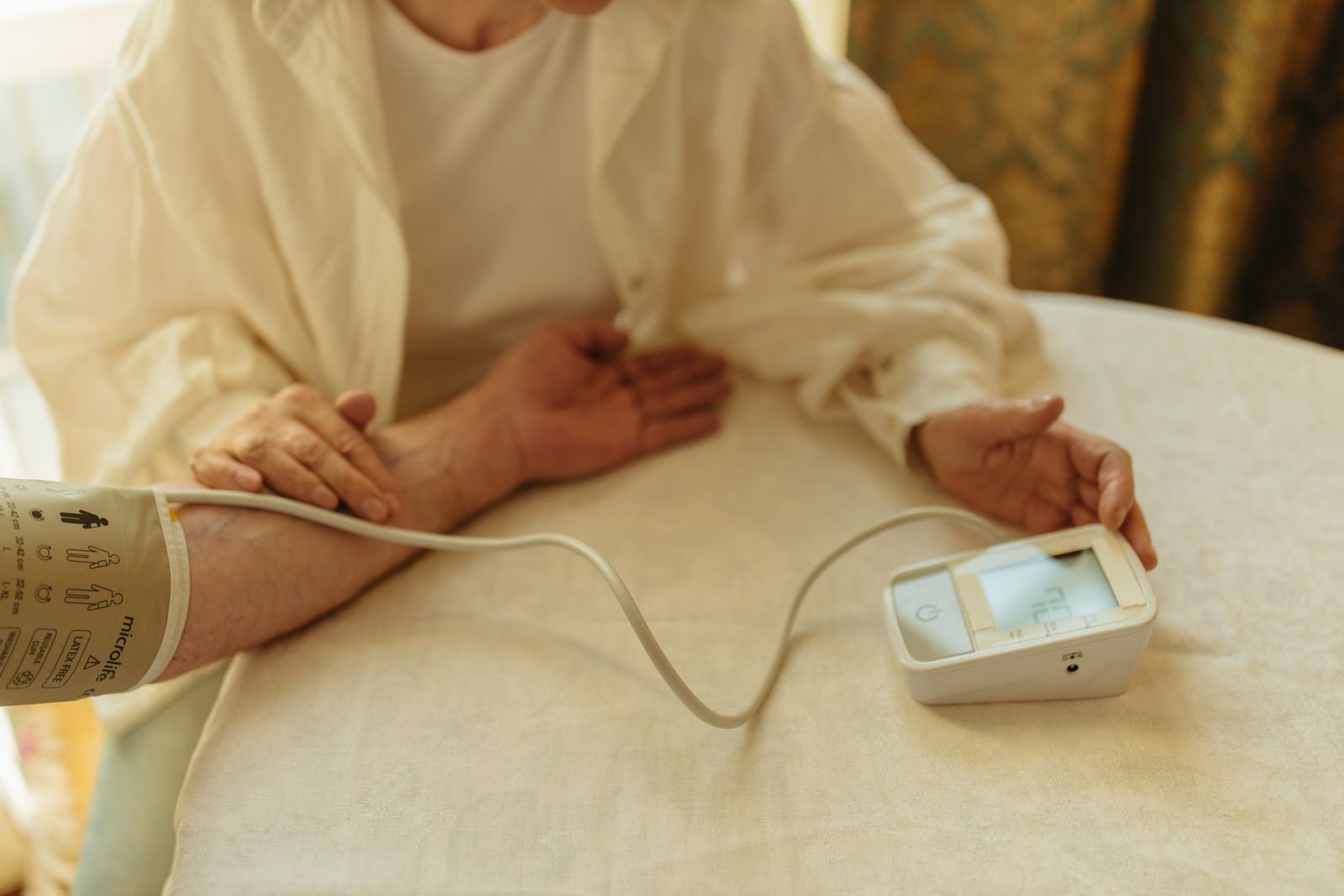
High Blood Pressure Without Symptoms: When Treatment Starts
High blood pressure rarely announces itself. Here is how a reading is confirmed, when lifestyle changes are enough, and when a medicine is added.
Read articleSimple articles on heart health, treatments and common questions.
High blood pressure rarely announces itself. Here is how a reading is confirmed, when lifestyle changes are enough, and when a medicine is added.
Read article
Mitral regurgitation means blood leaks backward through the valve between the left chambers. Many leaks are mild. Here is how clinicians decide between follow-up and repair.
Read article
A racing or irregular pulse is common, and it is not always atrial fibrillation. Here is how the rhythm is confirmed, why stroke risk still matters when you feel well, and what treatment is actually for.
Read article
A stent holds a narrowed heart artery open. The weeks afterward are mostly about two medicines, the puncture site, and knowing which symptoms should not wait.
Read article
An atrial septal defect is an opening between the two upper chambers. Many adults have no symptoms. Here is how clinicians decide between watching it and closing it.
Read article
A chronic total occlusion is a heart artery that has been completely blocked for a long time. It is not the same as a heart attack happening now. Here is how clinicians choose between medicines, a stent, and bypass surgery.
Read article
High blood pressure and high cholesterol usually cause no warning. Here is what a routine heart-risk check measures, how often it is repeated, and which results need a closer look.
Read article
An aortic aneurysm is a bulge in the body's main artery. Many cause no symptoms and are watched. Here is how clinicians decide between follow-up, blood-pressure treatment, and repair.
Read article
A shorter walk, a cough at night, or swelling in both feet can be the first signs that the heart is not keeping up. Here is how clinicians tell heart failure from a heart attack, and what the assessment involves.
Read article
Fainting, a pulse that is too slow, and a pause between beats are not the same problem. Here is how clinicians decide between watching, a pacemaker, and a defibrillator.
Read article
Learn how to differentiate between harmless acidity, muscular pain, and red-flag cardiac warning signs that require urgent emergency intervention.
Read article
Discover why wrist-access coronary stenting has become the global gold standard for patient safety, comfort, and immediate post-procedure walking.
Read article
How transcatheter aortic valve replacement allows seniors with severe aortic stenosis to receive a new heart valve without open-heart surgery.
Read article