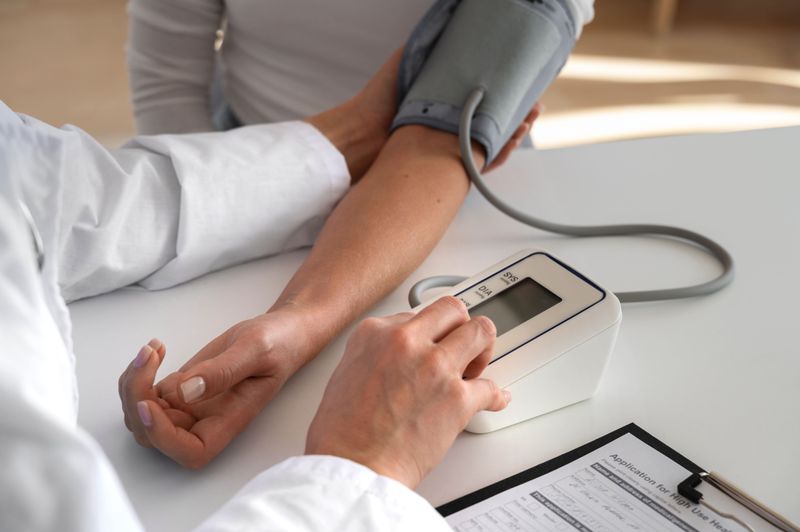

An atrial septal defect, or ASD, is a hole in the wall between the two upper chambers of the heart. Before birth, a small opening in that wall is normal, because the lungs are not yet being used. It usually closes in the weeks or months after birth. When it stays open, and especially when it is larger than that newborn flap, oxygen-rich blood can cross from the left upper chamber into the right one. Extra blood then goes to the lungs. The American Heart Association notes that a large hole can make the heart and lungs work harder, and over many years can damage the lung arteries.
Why it is often found late
Many people with an ASD have no symptoms. A small opening does not make the heart and lungs work harder, so it may never announce itself. A larger one may cause only mild shortness of breath during activity. On examination, the only clue is sometimes a heart murmur or another unusual sound. Adults are often told about the hole after an echocardiogram done for breathlessness, a fluttering heartbeat, a stroke assessment, or a checkup. A small leftover flap, called a patent foramen ovale, is common in healthy adults and usually causes no problem. It is not the same decision as a large ASD.
What the scan is looking for
- Where the hole sits, and how large it is
- Whether extra blood is still flowing toward the lungs, or whether the flow has reversed
- Whether the right upper chamber or the right pumping chamber has enlarged
- The pressure in the lung arteries
- Whether another defect is present, including a problem with a valve or with the veins that enter the heart
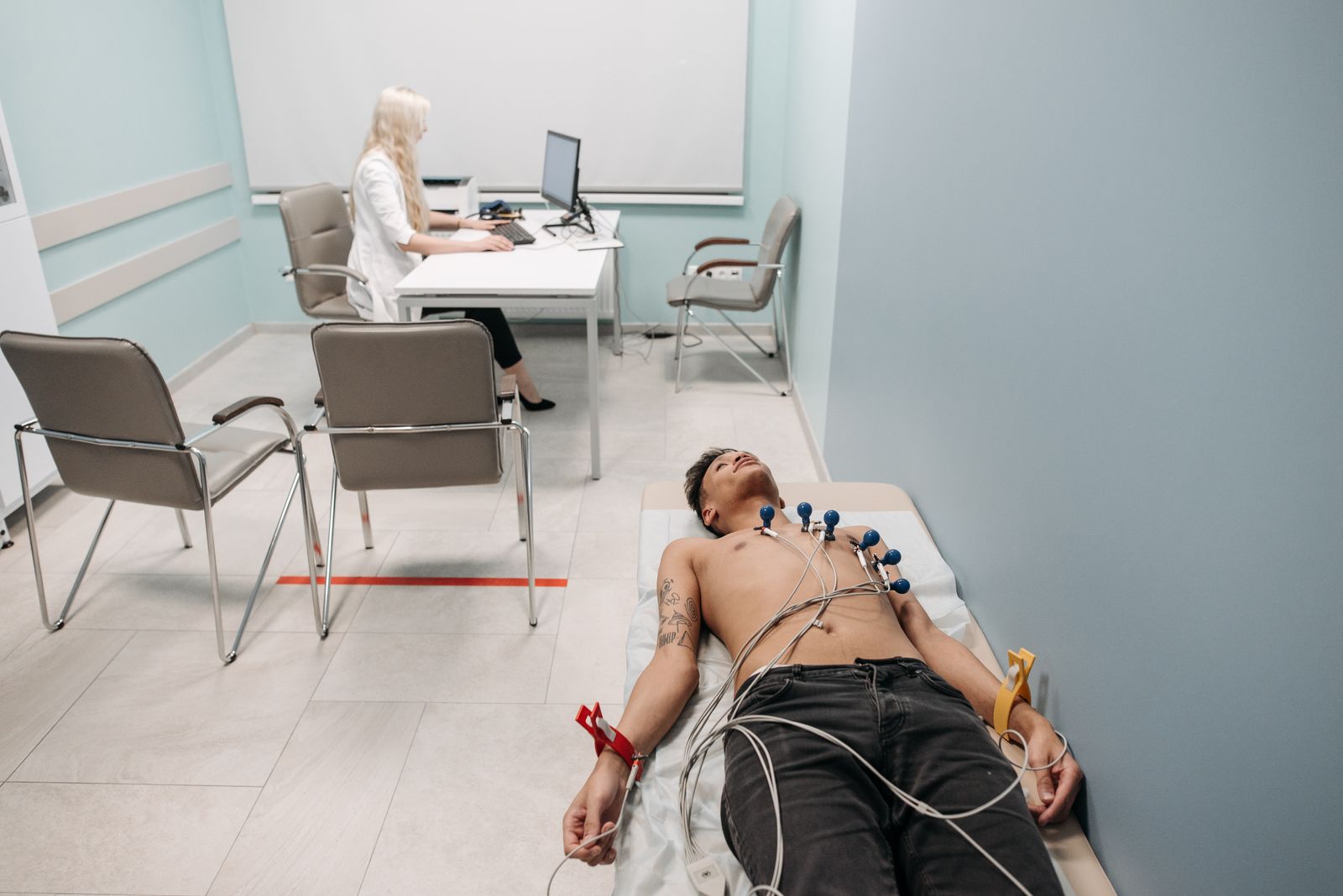
An echocardiogram is the usual first picture. A closer ultrasound from the oesophagus, a CT scan, or an MRI is sometimes added when the edges of the hole, or the veins around it, are not clear. An ECG looks for rhythm trouble. Palpitations or fainting need that review even when the hole itself is small. There is no medicine that makes the hole shrink or close.
A small opening is often watched. A large one can still be worth closing when it is found in adulthood.
When closure is discussed
A small ASD often needs no repair. A large one is different. The American Heart Association says that closing a large defect is beneficial even when it is diagnosed in adulthood. In adults, closure is considered when the hole is large enough to enlarge the right side of the heart or limit ordinary activity, the blood is still flowing from left to right, and the pressure in the lungs is not already very high. Closure is avoided when that lung pressure is severely raised and the blood has started to flow the other way. That reversal is uncommon, and it is the point at which closing the hole can do harm.
A device, or an operation
Many holes in the centre of the wall, called secundum defects, can be sealed with a device delivered through a vein, without opening the chest. A hole in an unusual place, a hole with other defects, or a hole whose edges will not hold a device needs surgery instead. Holes between the lower chambers, and a vessel that stayed open after birth, are separate findings. They are judged on their own scans, not by the rules for an ASD. After a closure, activity is often limited for a short time, and a medicine to reduce clots may be used for a few months. Once healing is complete, most people need no further procedure. A cardiologist still checks from time to time, because a small leak can remain.
A hole does not, by itself, mean a stroke is coming. Most people with a small PFO or a small ASD do not have strokes and do not need the opening closed. After a stroke or a brief stroke-like episode, aspirin or a similar medicine is often the first step. Closure is sometimes discussed if a further stroke happens despite that medicine. Pregnancy is usually safe with an unrepaired ASD unless lung pressure is high. The risk is higher while a large hole is still open, because heart failure or a clot can occur, and it is very low once the hole has been closed and none remains.
Your questions, answered
Not always. A small opening is often left alone. Closure is considered when the hole is large enough to enlarge the right side of the heart or limit activity, even if you feel well, and when the lung pressure is not already very high.