The American Heart Association treats diabetes as one of the major risk factors for cardiovascular disease that can still be changed. People living with type 2 diabetes are more likely to develop, and to die from, a heart attack, a stroke, or heart failure than people without diabetes. Glucose control matters. It does not, by itself, bring that risk back to the level of someone who has never had diabetes, because blood pressure, cholesterol, weight, and inactivity often travel with it.
Many people feel nothing
Prediabetes usually has no symptoms. Type 2 diabetes can be quiet for a long time as well. When signs do appear, they tend to be thirst, passing urine more often, unexplained weight loss, hunger, blurred vision, tiredness, numbness in the hands or feet, or cuts that heal slowly. A diagnosis uses a laboratory test. On a fasting sample, the American Heart Association describes under 100 mg/dL as the usual range, 100 to 125 mg/dL as prediabetes, and 126 mg/dL or higher as diabetes. One home-meter reading is a reason to recheck. It is not the test that makes the diagnosis.
- High blood pressure, which is common alongside diabetes and raises risk further
- LDL that is high, HDL that is low, or triglycerides that are high
- Extra weight, which is tied to insulin resistance
- Too little activity. The usual aim is 150 minutes a week of moderate activity, or 75 minutes of vigorous activity, plus strength work on two days
- Smoking, which adds heart and stroke risk whether or not diabetes is present
A settled glucose reading does not cancel the risk that blood pressure and cholesterol still carry.
Heart symptoms can be easy to explain away
Chest pressure, squeezing, or pain is still the most common warning of a heart attack, including in women. Other signs are breathlessness, pain in an arm, the back, the neck, or the jaw, a cold sweat, nausea, a racing or irregular heartbeat, unusual tiredness, or feeling light-headed. These can be milder, and they are easy to put down to the sugar, the heat, or a meal. They are a reason to call the local emergency service, not a reason to recheck a glucose meter and wait. Sudden weakness, numbness, or trouble speaking is a stroke emergency on the same timetable.
Very high blood sugar is its own emergency. Nausea or vomiting, stomach pain, breath that smells fruity, confusion, marked drowsiness, a seizure, or loss of consciousness needs urgent care. That is separate from a heart attack, and the two can occur in the same person.
Not everyone needs a stress test
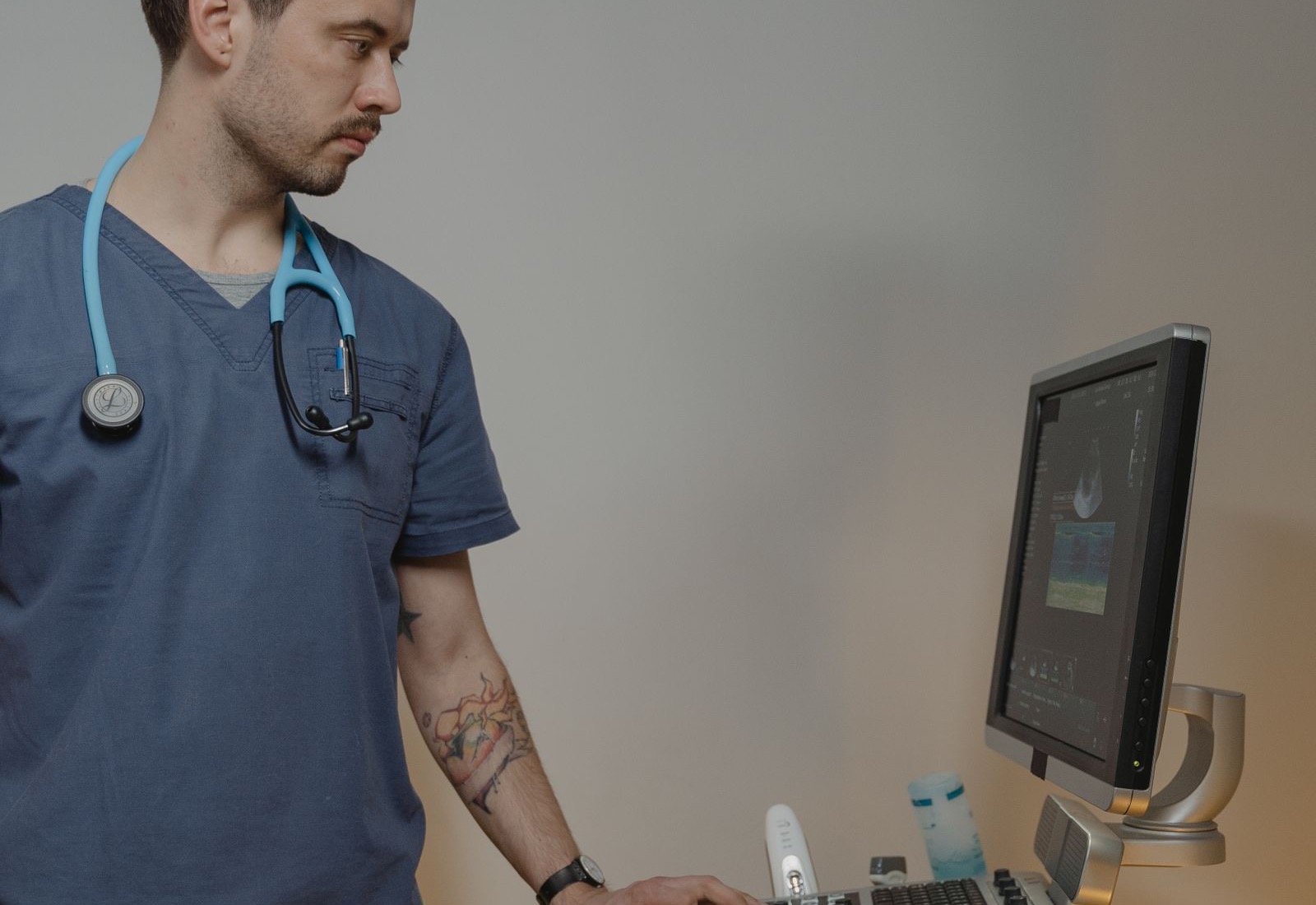
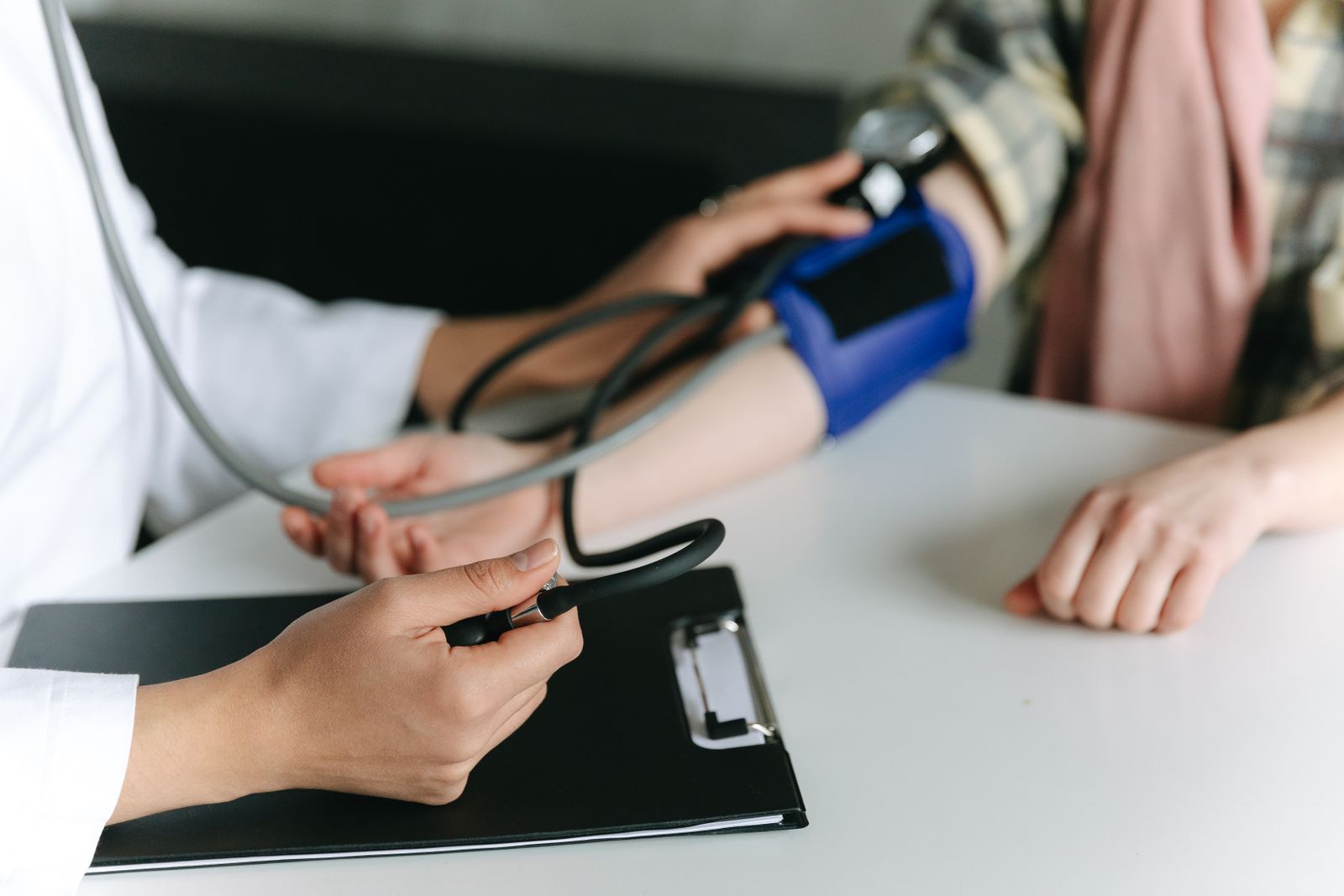
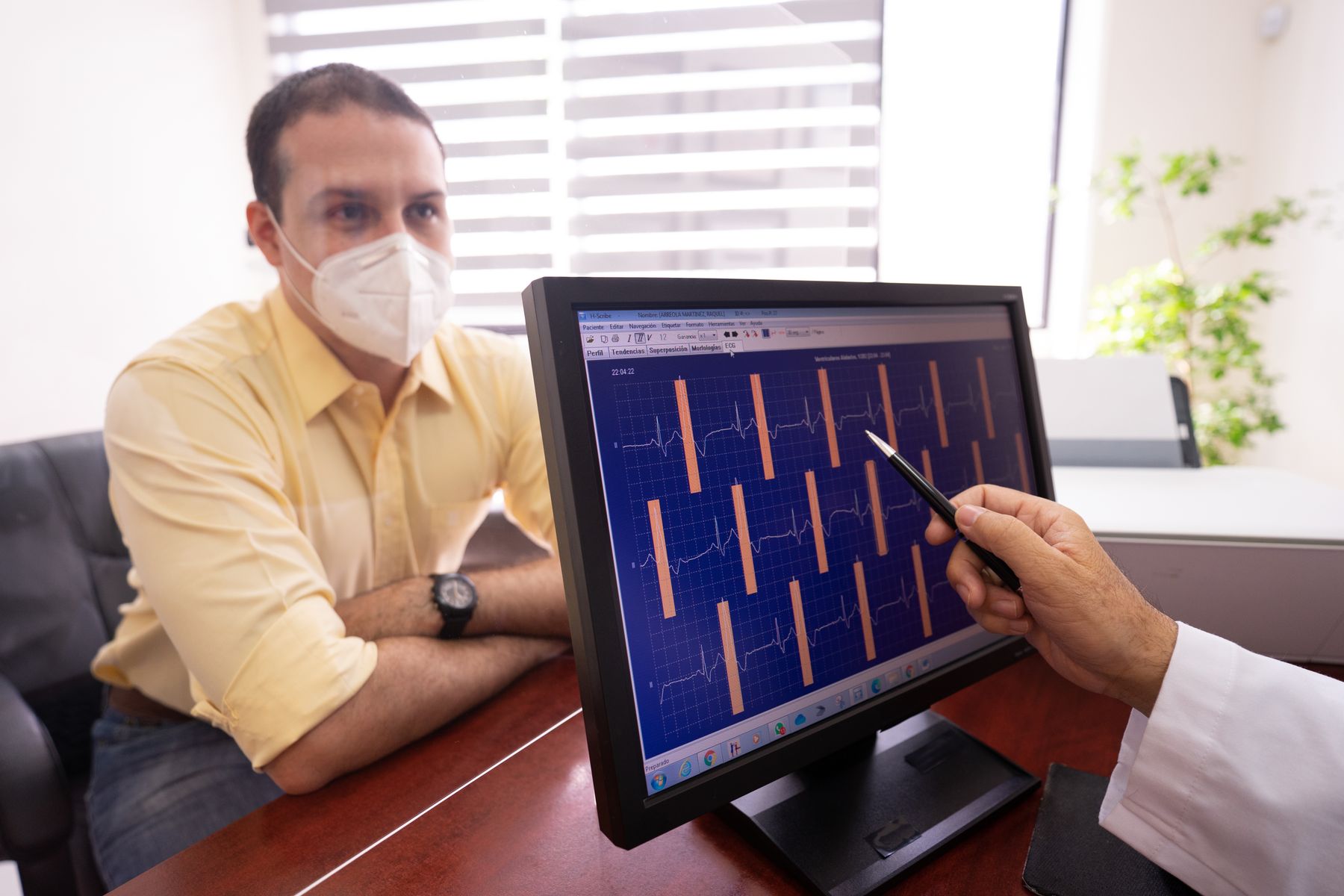
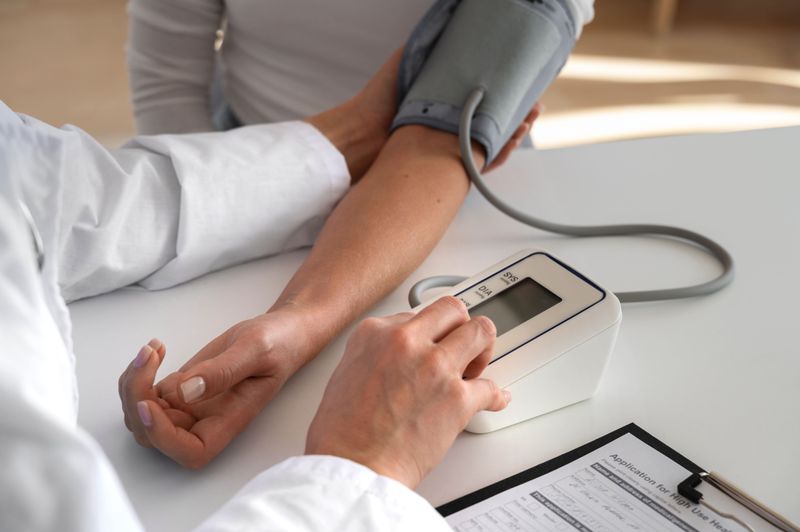
Because the risk is higher, a clinic visit for diabetes usually includes blood pressure, a cholesterol profile, and a look at kidney function, weight, and smoking, not only the glucose. An electrocardiogram, an echocardiogram, or a treadmill test can be useful when there are symptoms, or when the result would change a decision about activity or treatment. An angiogram is reserved for when a blockage needs to be seen directly. None of these tests is a yearly routine for every person with diabetes, and a normal one does not replace treatment of blood pressure and cholesterol.
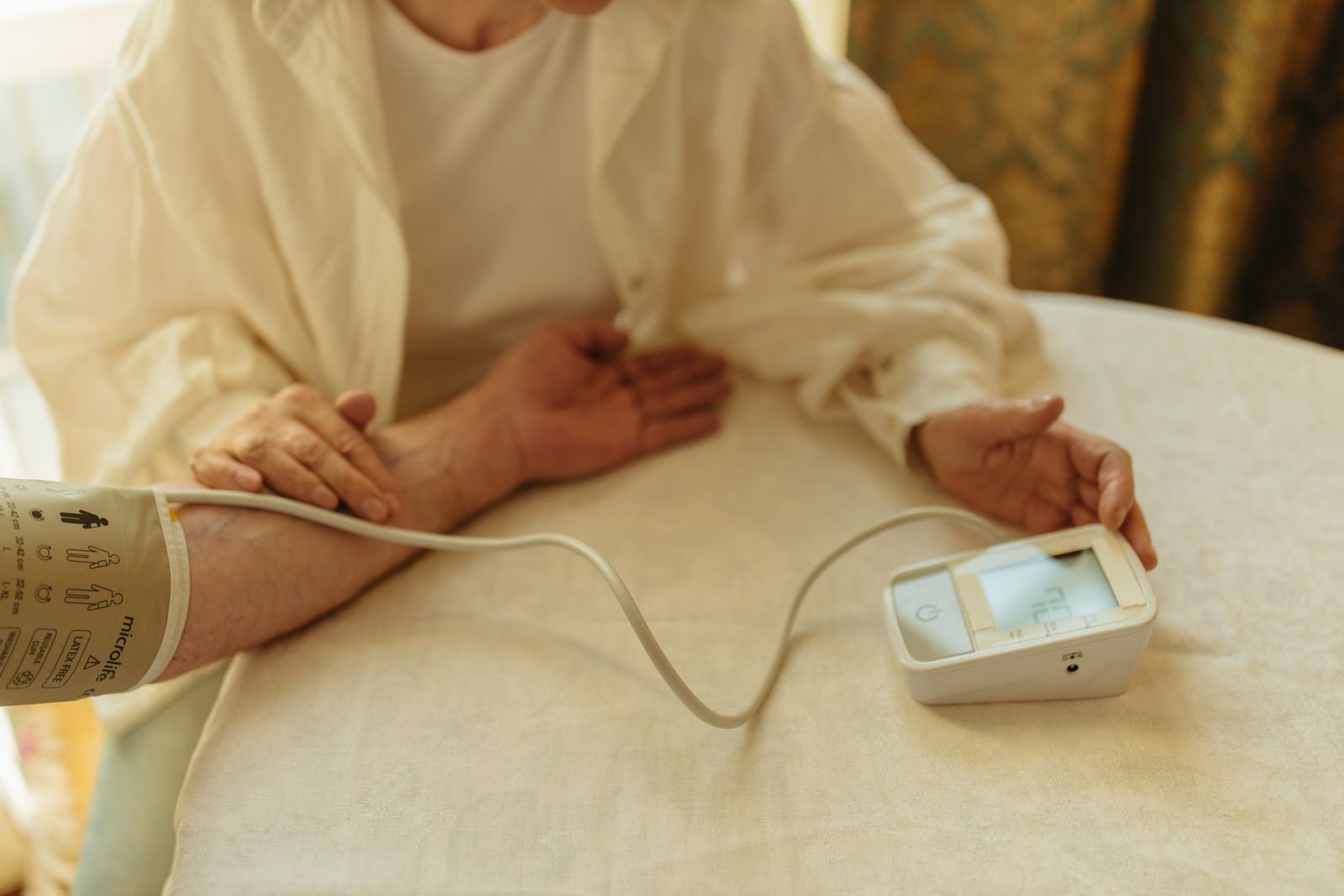
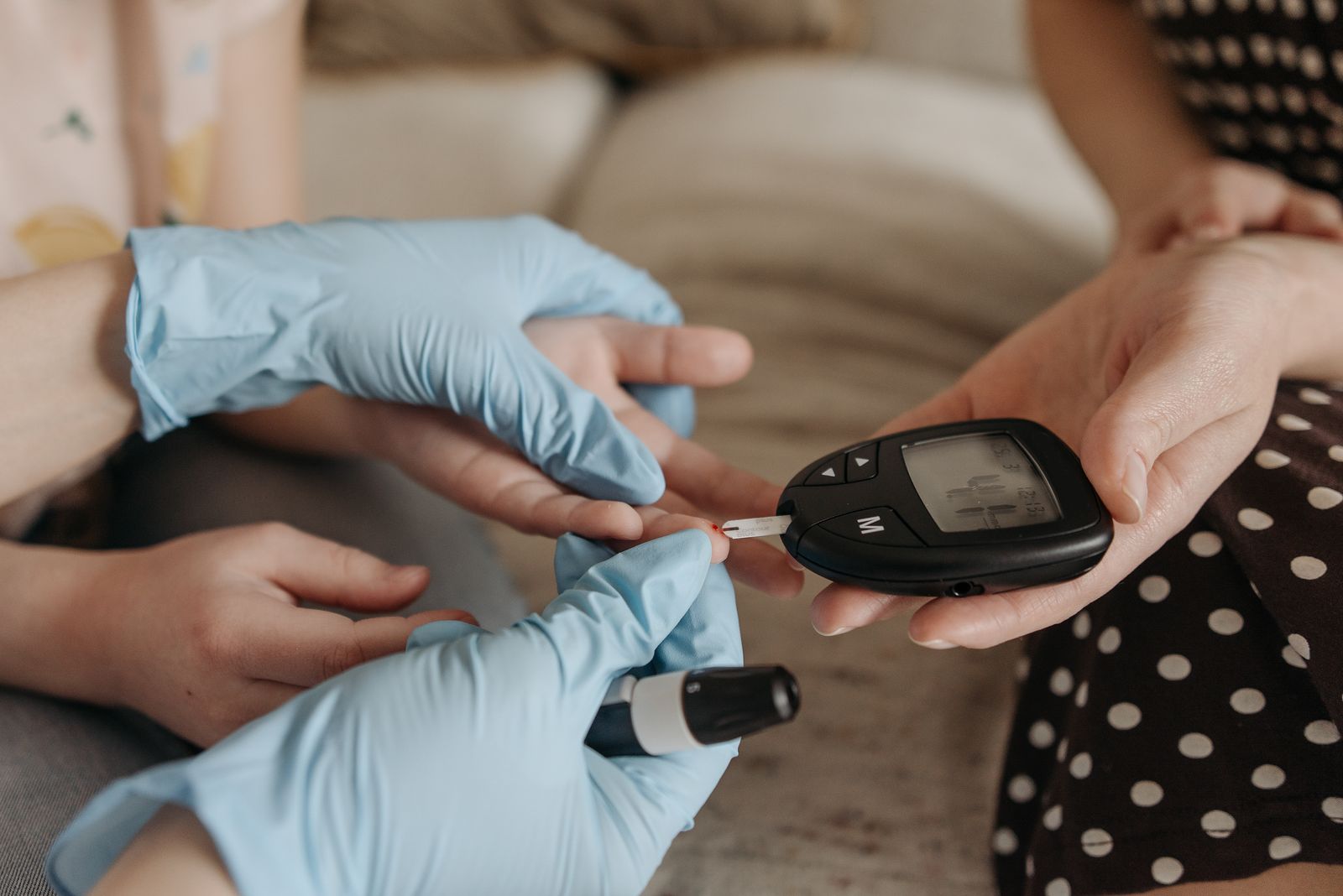
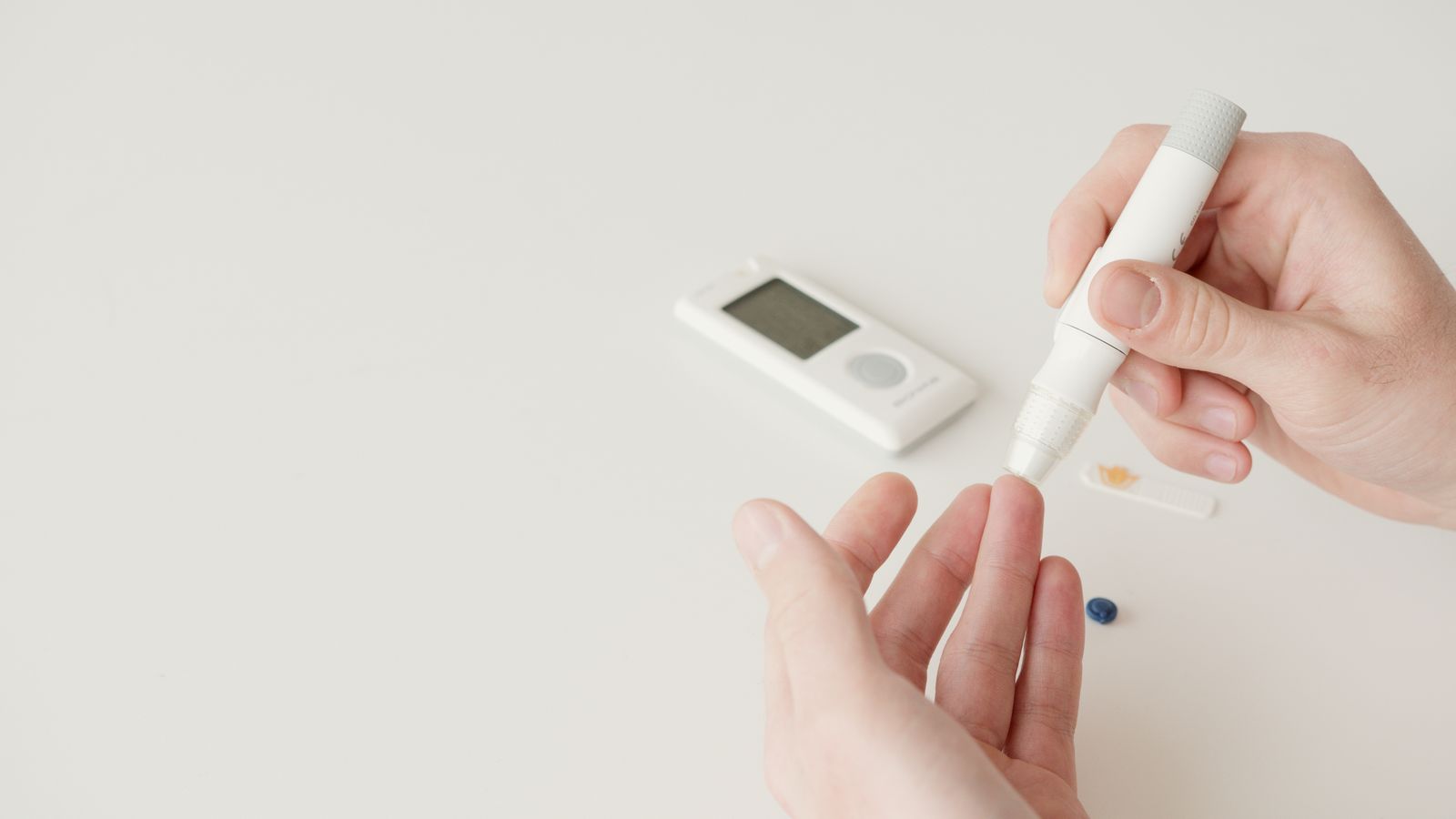
A home glucose meter is for tracking sugar between visits. It does not measure blood pressure or LDL. The plan that lowers heart risk is the combination: glucose treatment as prescribed, blood pressure and cholesterol handled on their own targets, not smoking, and regular activity. Which glucose medicine is used is an individual decision. The heart benefit of the overall plan does not depend on any one brand.
Your questions, answered
Good glucose control matters, and the risk stays higher than in someone without diabetes. Blood pressure, cholesterol, weight, activity, and smoking each add to that risk and are treated on their own.