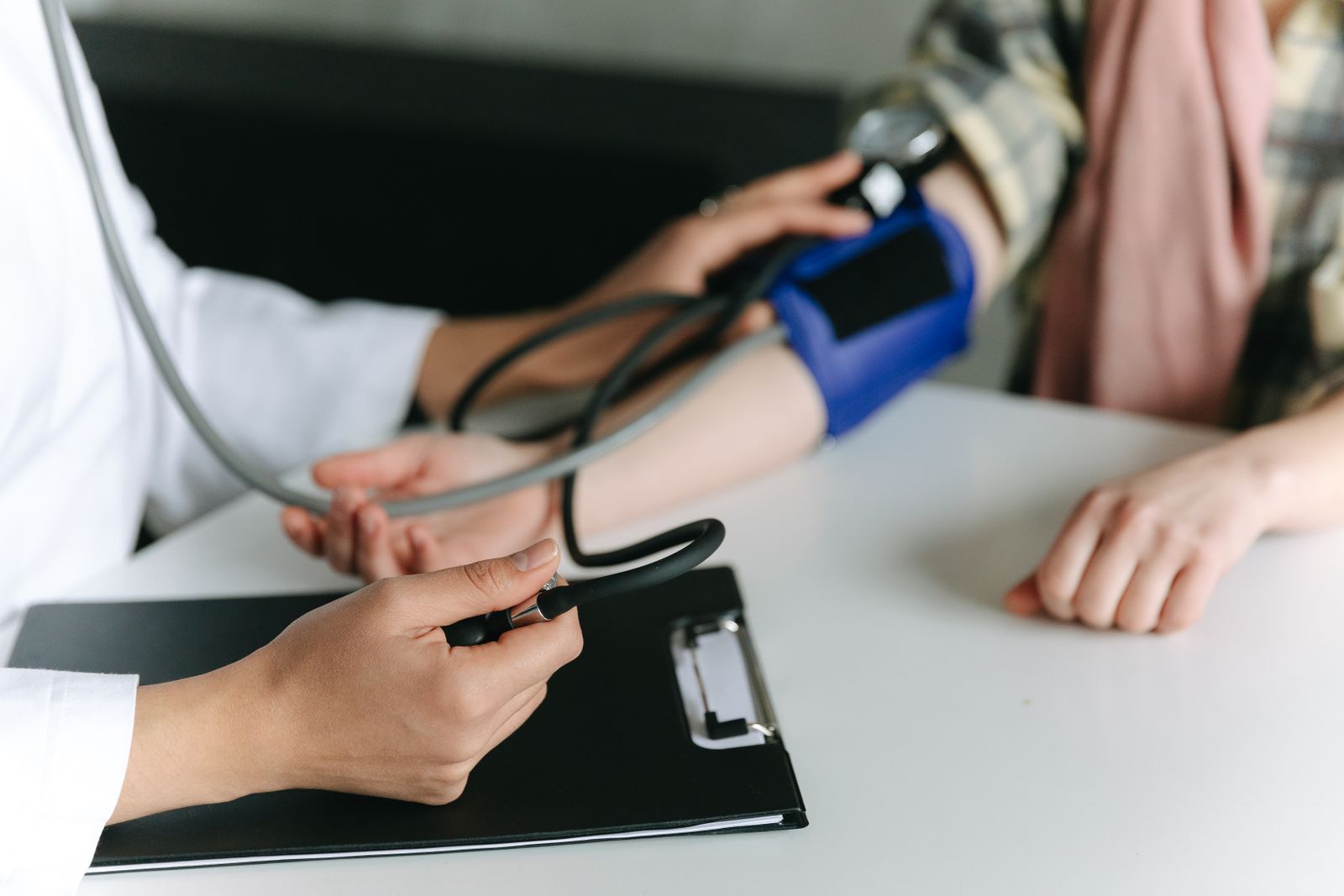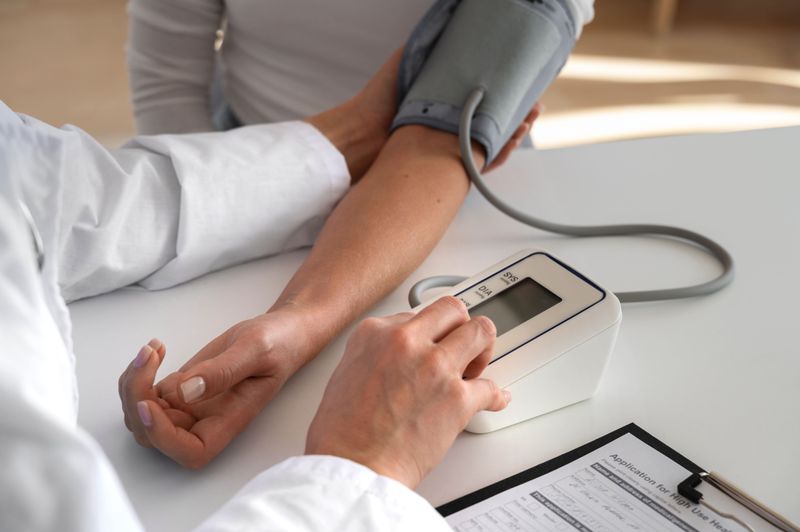

Atrial fibrillation, often called AFib, is the most common sustained irregular heart rhythm. The electrical signals in the upper chambers fire in a disorganized way, so those chambers quiver instead of emptying in a steady beat. Blood can linger there and form a clot. If that clot travels to the brain, it can cause a stroke. The American Heart Association says that every pattern of atrial fibrillation raises that risk, including the kind with no symptoms at all. Even then, the chance of a stroke is up to nearly five times higher than in someone without the rhythm.
What people notice, and what they do not
- A fluttering, thumping, or racing feeling in the chest
- A pulse that is fast and uneven
- Tiredness, weakness, or breathlessness, including during ordinary activity
- Dizziness, faintness, sweating, or a sense of anxiety
- No symptoms at all, with the rhythm found during an examination or on a monitor
Chest pain or pressure is a separate warning. It can be a heart attack rather than the rhythm itself. Call your local emergency service and do not drive yourself. A flutter without pain still deserves a proper recording, but it is not the same emergency.
A feeling is not yet a diagnosis
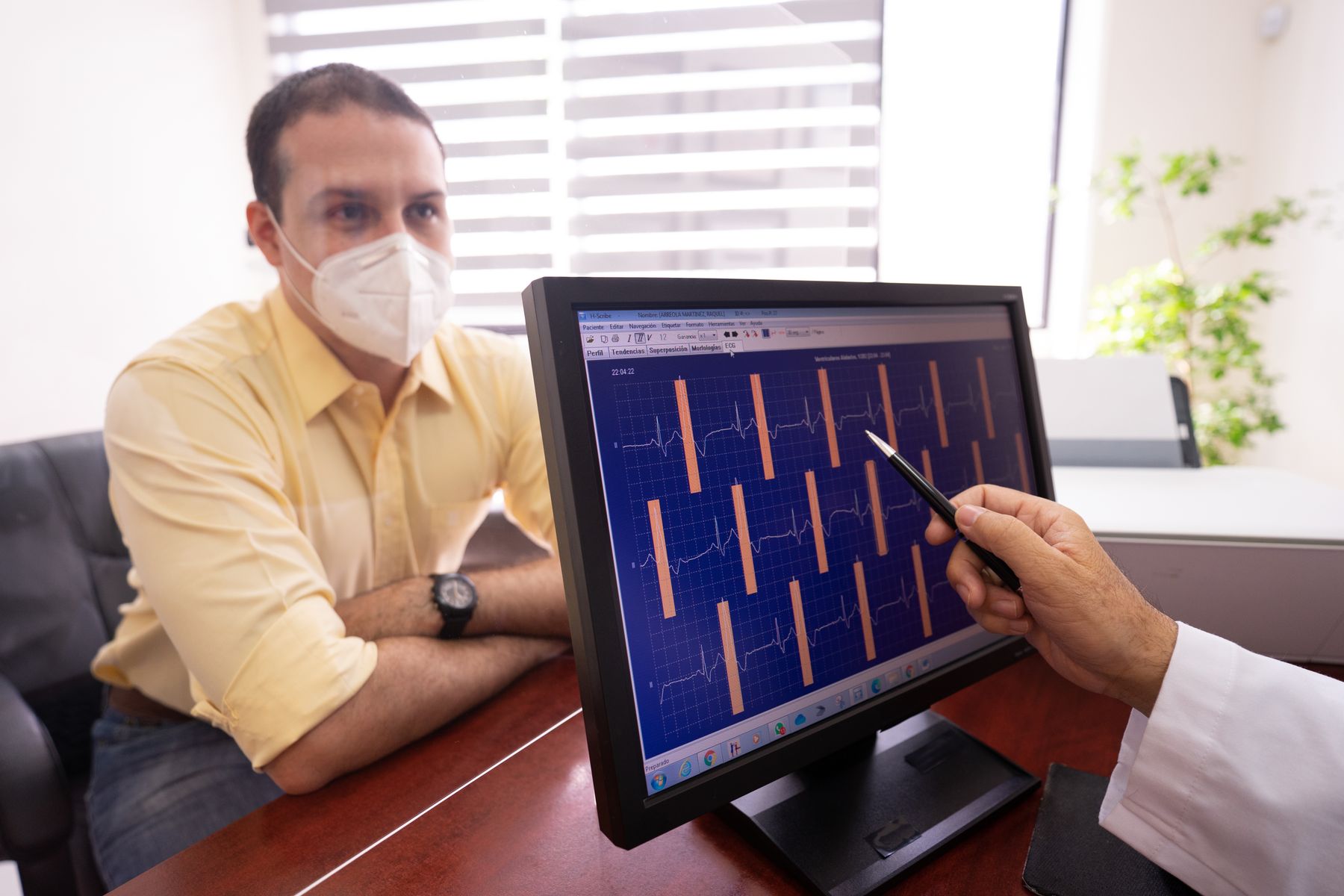
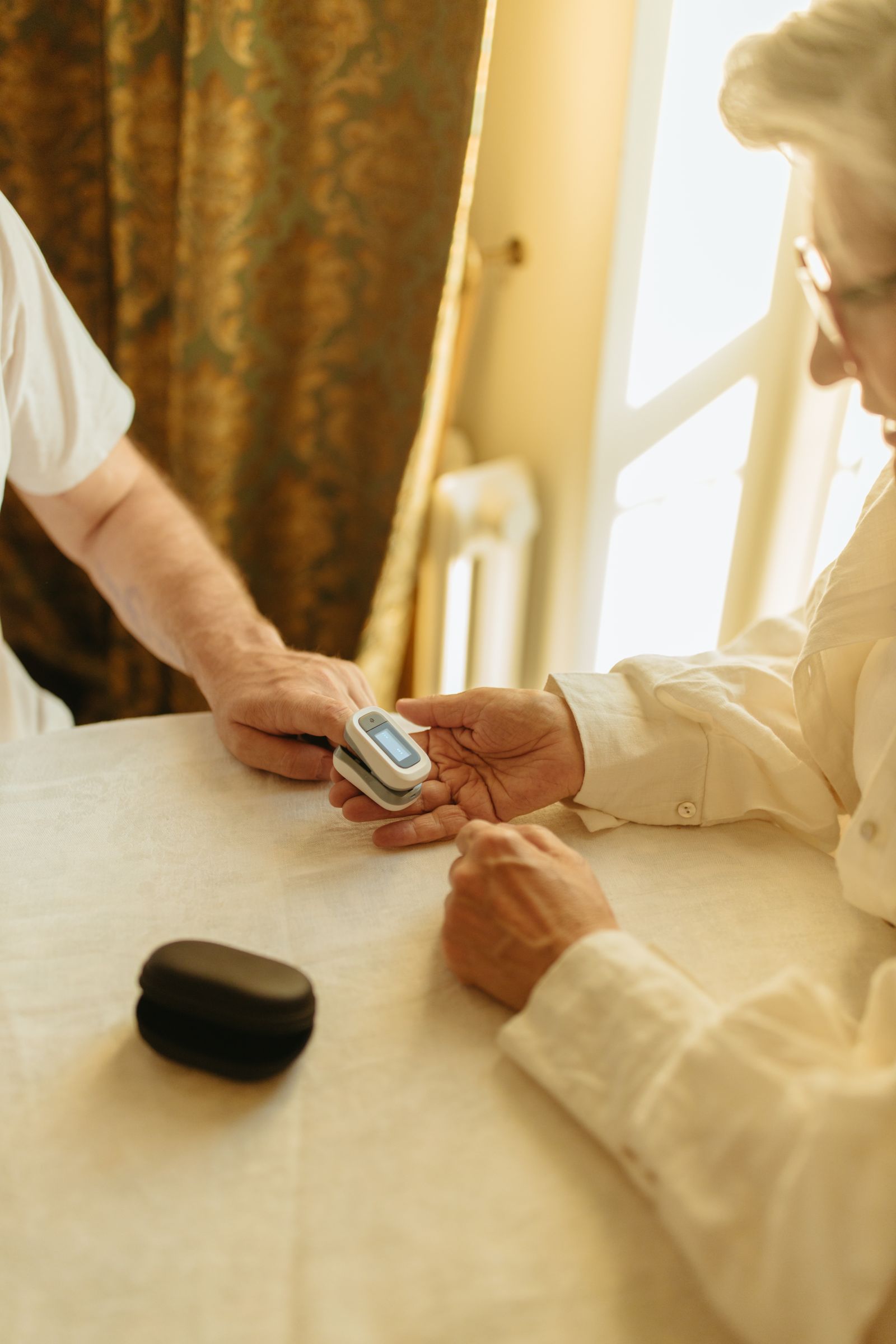
Palpitations can come from stress, caffeine, lack of sleep, thyroid disease, anemia, dehydration, or another rhythm that is not atrial fibrillation. Atrial flutter is a related but different rhythm. The diagnosis is an electrical recording: an ECG while the symptom is happening, or a monitor worn for a day or longer if the episodes come and go. A watch or a finger clip can raise the question, and clinicians do take a clear tracing seriously. It still does not replace an ECG. Feeling your own pulse can tell you that the beat is uneven. It cannot tell you which rhythm it is.
The stroke risk does not wait for symptoms. The rhythm has to be recorded before it can be treated.
How long the episode lasts changes the label
If the heart returns to a normal rhythm on its own, or with treatment, within seven days, it is called paroxysmal. Episodes may be rare or daily. If the irregular rhythm lasts longer than seven days and does not stop by itself, it is persistent and needs treatment to restore a normal beat. When it has been present for more than 12 months, it is called long-standing. Permanent means a decision has been made, with you, to stop trying to restore a normal rhythm and to control the rate instead. The names describe the pattern. They do not cancel the stroke risk.
What treatment is trying to do
Current guidance asks three questions together: how high the stroke risk is, which risk factors can be changed, and how much the rhythm is affecting daily life. A blood thinner is used when the stroke risk outweighs the bleeding risk. That judgment uses age, blood pressure, diabetes, heart failure, prior stroke, and disease in other arteries. It is not made from the symptom list alone. Newer blood thinners are often used instead of warfarin and may not need the same frequent blood tests. They still increase bleeding, so bruises, black stools, or a fall with a blow to the head should be reported.
Other medicines slow a fast rate, or try to hold a normal rhythm. The longer atrial fibrillation is left untreated, the harder a normal rhythm is to restore. If medicines are not enough, an electrical cardioversion can reset the beat, and a catheter ablation can quiet the signals that trigger the rhythm. A pacemaker does not treat atrial fibrillation. It is considered only when the heart also goes too slowly, including when rate medicines make the pulse too low. Blood pressure, weight, alcohol, sleep, and smoking change how often the rhythm returns. Treatment often continues for years, because the rhythm can come back.
Your questions, answered
Yes. The American Heart Association notes that people with no symptoms still have a higher chance of stroke. Whether you need a blood thinner depends on your other risks, not on whether you can feel the rhythm.