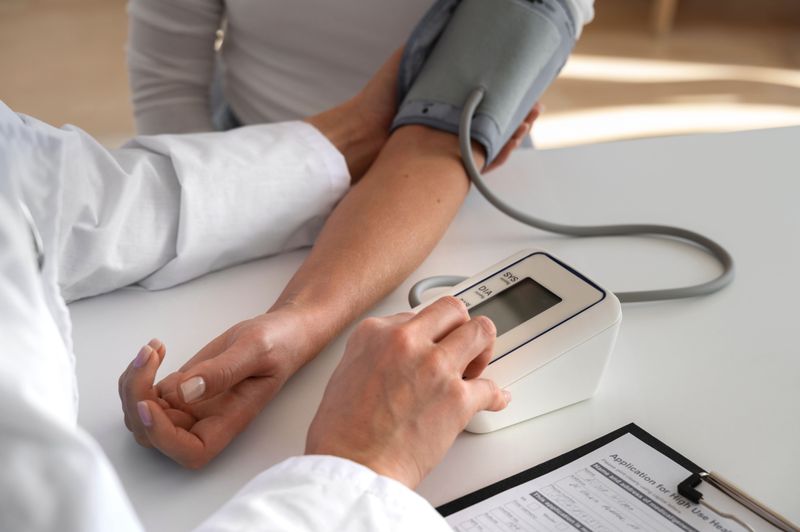

A heart check is not a search for a blocked artery in someone who feels well. It is a look at the risks that can sit quietly for years. The American Heart Association lists blood pressure, cholesterol, blood glucose, body weight, smoking, diet, physical activity, and sleep among the factors that shape the chance of cardiovascular disease. Few adults have an ideal result on every one of them. A result that is less than ideal is not a forecast that a heart attack is coming. It is a point at which those risks can still be changed.
Why feeling well is not a measurement
High blood pressure usually has no symptoms, so it cannot be found without being measured. Cholesterol is the same. A person can walk, work, and sleep normally while both are high. That is why a check is timed from age and from the last result, not from the day symptoms appear. People who already have heart failure, atrial fibrillation, or a past heart attack or stroke need a closer schedule than the one below. A strong family history, or a risk that is already known, usually means the same.
What a routine check includes
- Blood pressure at each regular visit, or at least once a year if it is below 120/80 mm Hg. Higher readings are usually checked more often.
- A cholesterol profile from age 20, fasting or not. It measures total cholesterol, LDL, HDL, and triglycerides. When risk is ordinary, about every 4 to 6 years is a common interval. It is repeated sooner when risk is higher. From about age 40, a 10-year risk estimate is often added.
- Weight and body mass index at an ordinary visit. A waist measurement may be added when body mass index is 25 or higher.
- Blood glucose. Testing is often discussed from age 45, or earlier when someone is overweight and already has another cardiovascular risk factor. An A1C of 6.5% or higher is one way diabetes is defined. A normal result is commonly repeated at least every 3 years.
- Smoking, diet, activity, and sleep. These are not blood tests. They belong in the same conversation, because they change the meaning of the numbers.
The interval is individual. A normal result last year does not set the date of the next test if blood pressure has since risen, or if diabetes, smoking, or a family history has never been taken into account.
A quiet risk factor is still a risk factor. It is also the kind that can still be changed.
A number is not a treatment plan
Blood pressure moves through the day. One high reading at a pharmacy, one home-monitor spike, or one cholesterol result does not decide whether a medicine is needed. The clinician looks at repeated readings, the rest of the profile, age, and other conditions. For many people the first step is food, activity, weight, sleep, and stopping tobacco. A medicine is added when the overall risk justifies it. The goal is control over time, not a single perfect reading.
Tests that are not part of every check
An ECG, an echocardiogram, a treadmill test, or a CT calcium score can answer a specific question. They do not replace a blood pressure reading and a cholesterol profile, and they are not required for every adult who feels well. Before an extra test, it helps to ask what decision it would change. A normal ECG, for example, looks at the heart's electrical pattern at that moment. It says nothing about cholesterol, and it can be normal in someone whose long-term risk is high.
When to be seen sooner
Chest pain, sudden breathlessness, fainting, or a sudden severe pain in the chest, back, or abdomen is not a routine-check problem. Call your local emergency service and do not drive yourself. Book an ordinary review if blood pressure has been high on more than one occasion, if a parent or sibling had a heart attack at a young age, or if diabetes, smoking, or a previous high cholesterol result has never been followed up.

Your questions, answered
Feeling well does not measure blood pressure or cholesterol. Both can be high for years without symptoms. How often to repeat them depends on your last results, your age, and your other risks.