High blood pressure is the most common risk factor for heart disease that can still be changed. It contributes to coronary disease, heart failure, atrial fibrillation, stroke, kidney disease, and, over time, problems with memory. Most people feel nothing while it is high. A headache or a flushed face is not a reliable signal, and feeling well does not mean the reading is normal. The 2025 AHA/ACC guideline sets the treatment goal below 130/80 mm Hg for adults, with extra care in pregnancy and when life expectancy is already very limited.
One number is not a diagnosis
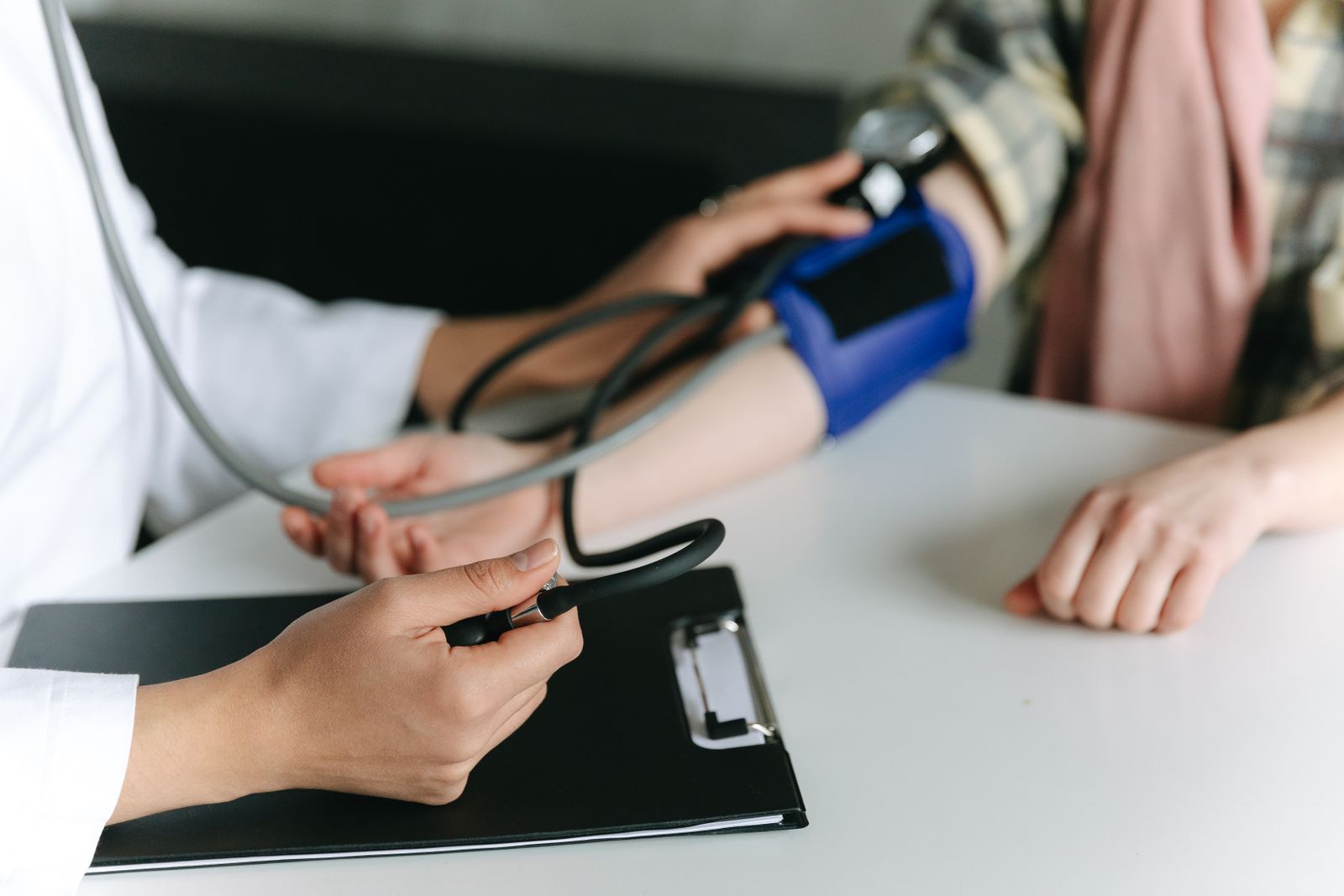
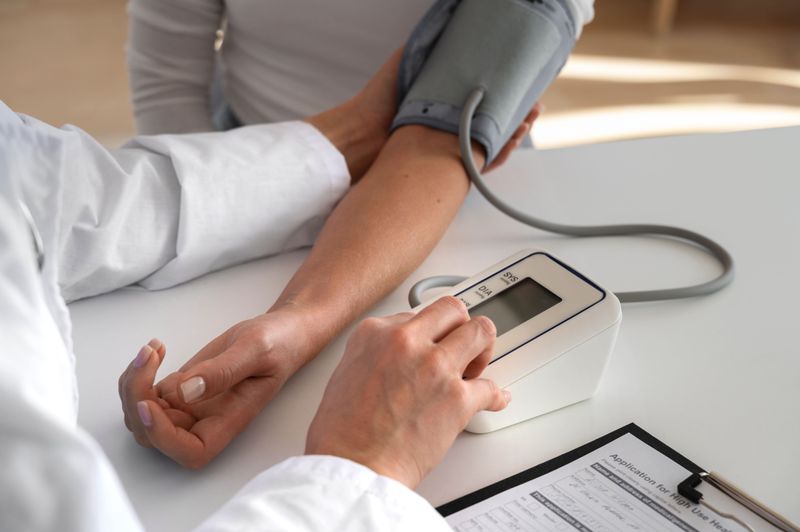
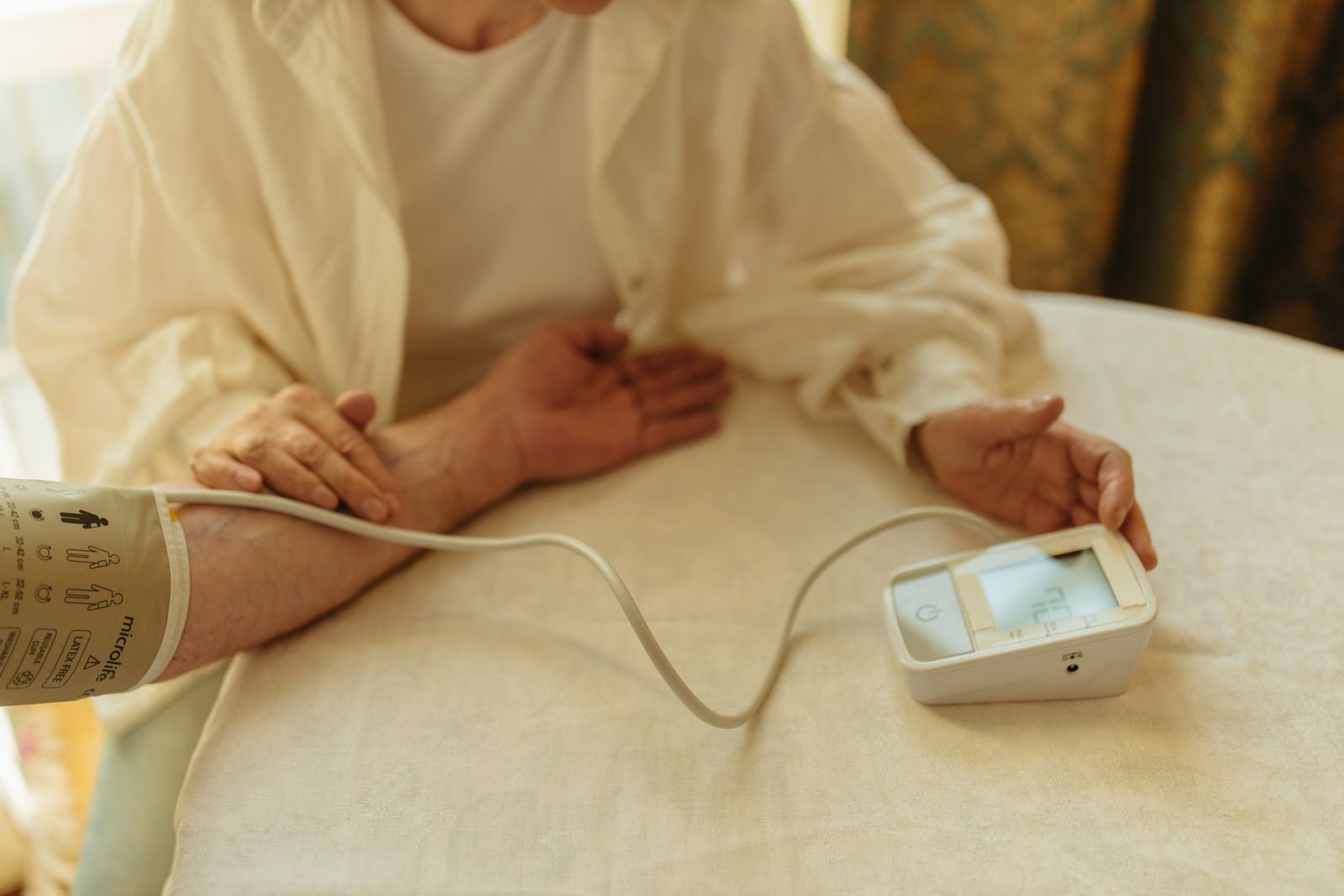
Blood pressure moves through the day. A single high reading at a pharmacy, or one anxious reading in a clinic, is a reason to repeat the measurement, not a reason to start a tablet that afternoon. The diagnosis uses an average. The preferred device is an upper-arm cuff, used after you have been seated and still. The 2025 guideline asks clinicians not to rely on cuffless devices, including smartwatches, until those devices are shown to be precise. A wrist monitor can prompt a proper recheck. It should not be the number that decides treatment.
- Normal: upper number below 120 and lower number below 80
- Elevated: upper number 120 to 129, and lower number still below 80
- Stage 1: upper number 130 to 139, or lower number 80 to 89
- Stage 2: upper number 140 or higher, or lower number 90 or higher
- Severe: higher than 180, or higher than 120. Repeat it. What you do next depends on symptoms
Only one of the two numbers has to fall in a higher band for that category to apply. A reading of 128/86 is stage 1 because of the lower number, even though the upper number is in the elevated range.
The dangerous reading is often the one that has been high for years, not the one that hurts.
Lifestyle first, then a medicine for some people
Weight, an eating pattern such as DASH, less salt, more potassium from food, regular activity, less alcohol, and attention to stress are recommended for elevated pressure and for hypertension. They are not a consolation prize beside tablets. For an average at or above 140/90, medicine is recommended as well as those changes. Medicine is also recommended from 130/80 when someone already has cardiovascular disease, a previous stroke, diabetes, chronic kidney disease, or a 10-year cardiovascular risk of 7.5 percent or higher. If that risk is lower, a trial of lifestyle change for 3 to 6 months comes first. Medicine is then recommended if the average is still at or above 130/80.
For stage 2 hypertension, two medicines from different classes are often started together, preferably in one combination pill, because control comes sooner and fewer tablets are forgotten. The usual first medicines are an ACE inhibitor or an ARB, a long-acting calcium-channel blocker, and a thiazide diuretic. Which one fits depends on kidney function, diabetes, and other conditions. Do not add, stop, or double a dose because of one home reading.
A reading above 180 needs a second look the same day
If a reading is higher than 180/120, wait a minute and take it again. If it is still that high and you have chest pain, breathlessness, back pain, numbness, weakness, a change in vision, or trouble speaking, call your local emergency service. Those symptoms can mean the pressure is injuring the heart, brain, or other organs. If the second reading is still that high and you have none of those symptoms, contact your clinician the same day. That situation is treated with oral medicine and a timely review, not by waiting for the next routine appointment.

Your questions, answered
Often, yes. High blood pressure usually causes no symptoms while it is damaging arteries, the heart, the kidneys, and the brain. Whether a medicine is added depends on the average reading and on your other risks, not on how you feel.