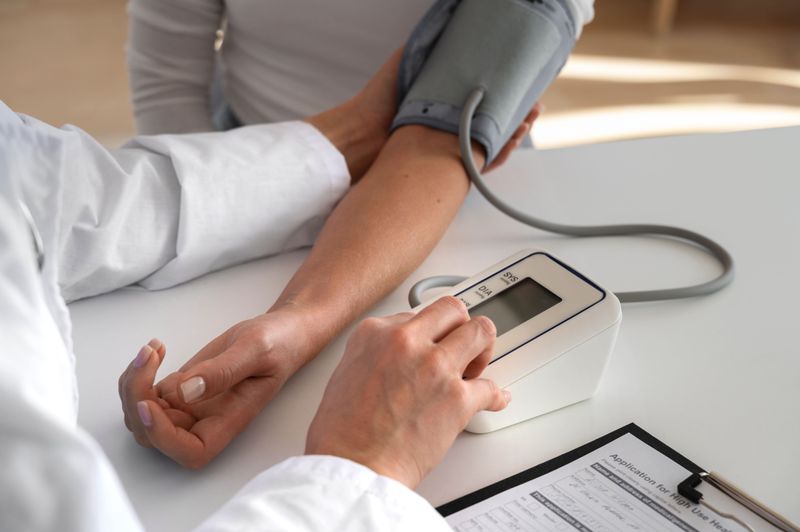

A chronic total occlusion is a heart artery that has been completely blocked, usually for months. It is not the sudden closure that causes a heart attack in progress. Over time the heart often grows small side channels, called collaterals, around the blockage. Those channels can keep the muscle alive. That is why some people with a fully closed artery have no pain, and others notice tightness only when they walk up a hill or climb stairs.
Symptoms worth sorting out
- Pressure, tightness, or breathlessness that starts with effort and eases within minutes of rest
- The same discomfort on hills, stairs, or in cold air, returning in a familiar pattern
- Tiredness on effort that is new, especially if you already know you have narrow heart arteries
- Pain that is new at rest, lasts more than a few minutes, comes with sweating, or spreads to the arm, neck, or jaw
The last of those is an emergency, whether or not you already know about a blockage. Call your local emergency service and do not drive yourself. A stable, predictable discomfort on effort is assessed in clinic. Acid, muscle strain, and lung disease can feel similar, so the pattern has to be checked rather than assumed.
What the tests are asking
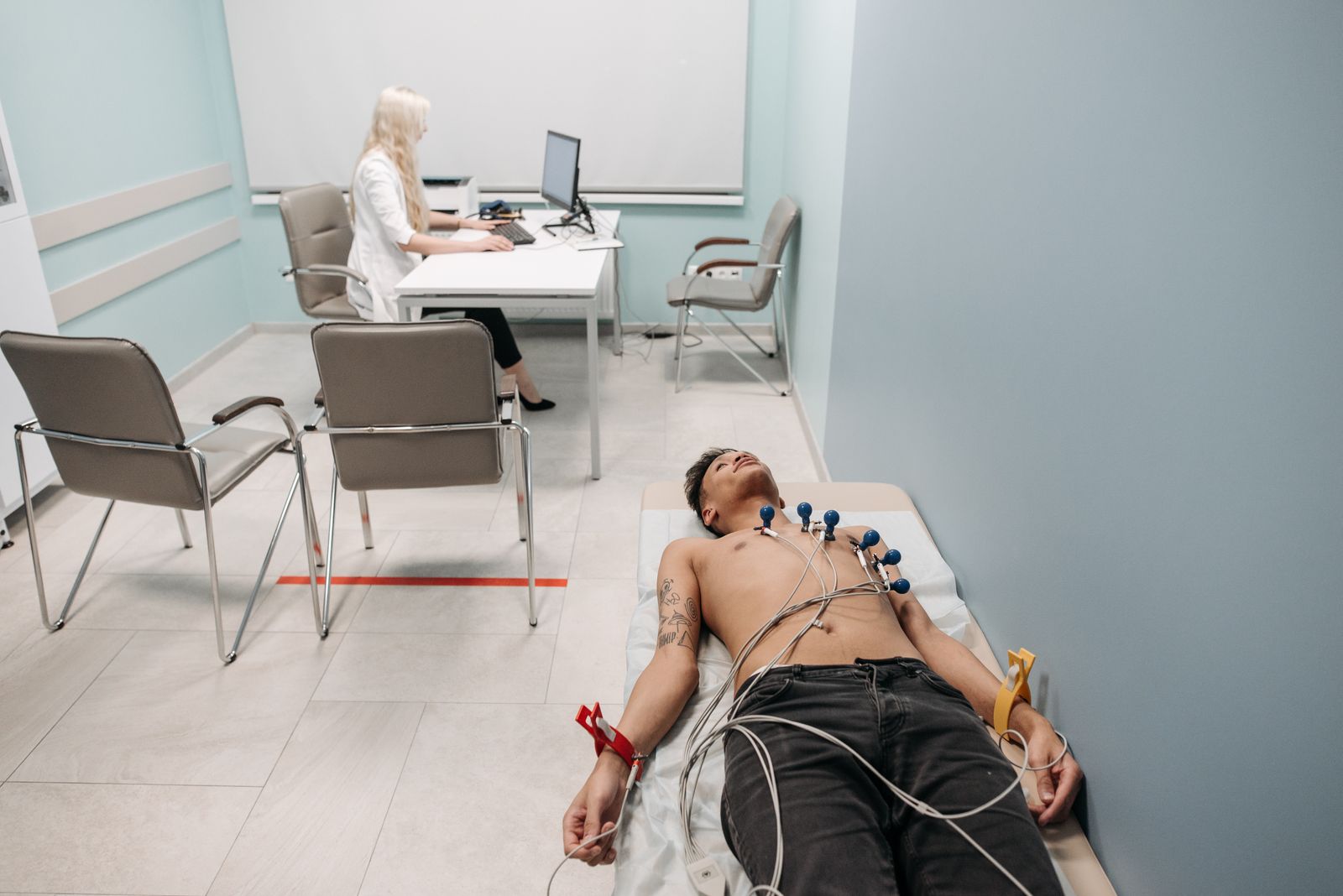
An ECG is an early step. It can be normal between episodes. Further tests ask two questions: is the muscle beyond the blockage still living, and are other arteries narrowed as well? A stress test, a scan of the heart muscle, or an echocardiogram may be used. An angiogram shows the closure and the side channels. Finding a closed artery on that picture does not, by itself, mean the artery must be opened.
A closed artery on a report is a finding. It becomes a procedure only when symptoms, living muscle, and the other arteries say so.
Medicines come first when symptoms are stable
For stable angina, guideline-directed treatment starts with a medicine that eases the pain: a beta blocker, a calcium-channel blocker, or a long-acting nitrate. If one is not enough, a second from a different group is added. A short-acting nitrate under the tongue is for the episode itself. Cholesterol, blood pressure, diabetes, and smoking are treated at the same time, because the disease is in the arteries, not only in the one closed segment. These medicines do not dissolve a blockage that has been closed for months. They reduce the heart's workload and treat the wider risk.
When a stent or bypass is discussed
Opening the closed segment with a stent is a more specialised angioplasty than treating an artery that is only narrowed. The 2021 ACC/AHA revascularisation guideline says that, in people with suitable anatomy who still have angina despite medicines, and after other narrowings have been treated, the benefit of opening a chronic total occlusion to improve symptoms is uncertain. It is considered, not assumed. Hard calcium, a long closure, or a tortuous course can make the procedure unsuitable. Bypass surgery is the other way to bring blood around the blockage, and it is often the better conversation when several arteries are involved or the heart pump is weak. The choice belongs with the cardiologist, the surgeon when needed, and the person who will live with the result. A scan that shows the muscle beyond the blockage is already scar, with no living tissue and no symptoms, is usually a reason to leave that segment alone.
Your questions, answered
Side channels often develop around a long-standing closure and supply the muscle. Walking can still bring on tightness when those channels are not enough for the effort. Whether the muscle is alive is a scan finding, not something that can be judged from the symptom alone.