Leaving hospital after a heart attack, a stent, or heart surgery often feels like the treatment is finished. The artery has been opened, the wound is settling, and the discharge papers list a row of tablets. What those days do not teach is how to walk to the market again, which chest sensation is ordinary effort, and which one should stop you. Cardiac rehabilitation is the medically supervised program for that gap. It is not a gym induction, and it is not a single treadmill test. The American Heart Association describes three parts of equal weight: exercise that is taught and watched, education about the risks that caused the event, and help with the stress that follows it. The medicines continue through all three. Rehabilitation does not replace them.
What the three parts are actually for
The exercise is there because the heart and the muscles around it lose condition quickly in a hospital bed, and because people are often afraid to raise their pulse. A clinician prescribes the activity. You learn how to move in a way the heart can tolerate, then the work is lengthened. The education covers the things that will still be there after the stent: blood pressure, cholesterol, weight, tobacco, food, and whether each tablet is being taken. The counseling is easy to dismiss and is part of the treatment. After a heart event many people sleep badly, feel low, or become frightened of stairs, of being alone, or of a twinge that used to mean nothing. Naming that, and working on it, is one of the reasons a program exists. A team may include doctors, nurses, exercise specialists, a dietitian, and someone who can talk about mood. You are not expected to assemble that plan from a pamphlet.
The procedure treats one event. Rehabilitation is how the following months are made safer.
Who is referred, and who is often left out
The 2024 update of the core components of cardiac rehabilitation lists a wide group: a heart attack in the past 12 months, angioplasty or stenting, bypass surgery, valve repair or replacement, a heart or heart-lung transplant, stable angina, and heart failure. Peripheral artery disease and, in some programs, a pacemaker or defibrillator are included as well. These are not the same illness. Stable angina is chest discomfort that comes with effort and settles with rest. A heart attack is injury to heart muscle happening now, or recently. Heart failure is a heart that is not keeping up with the body's need for blood, which may show up as breathlessness and swelling rather than as a single blocked artery. The referral still makes sense across that range, because the shared problem is how to become active again without guessing.
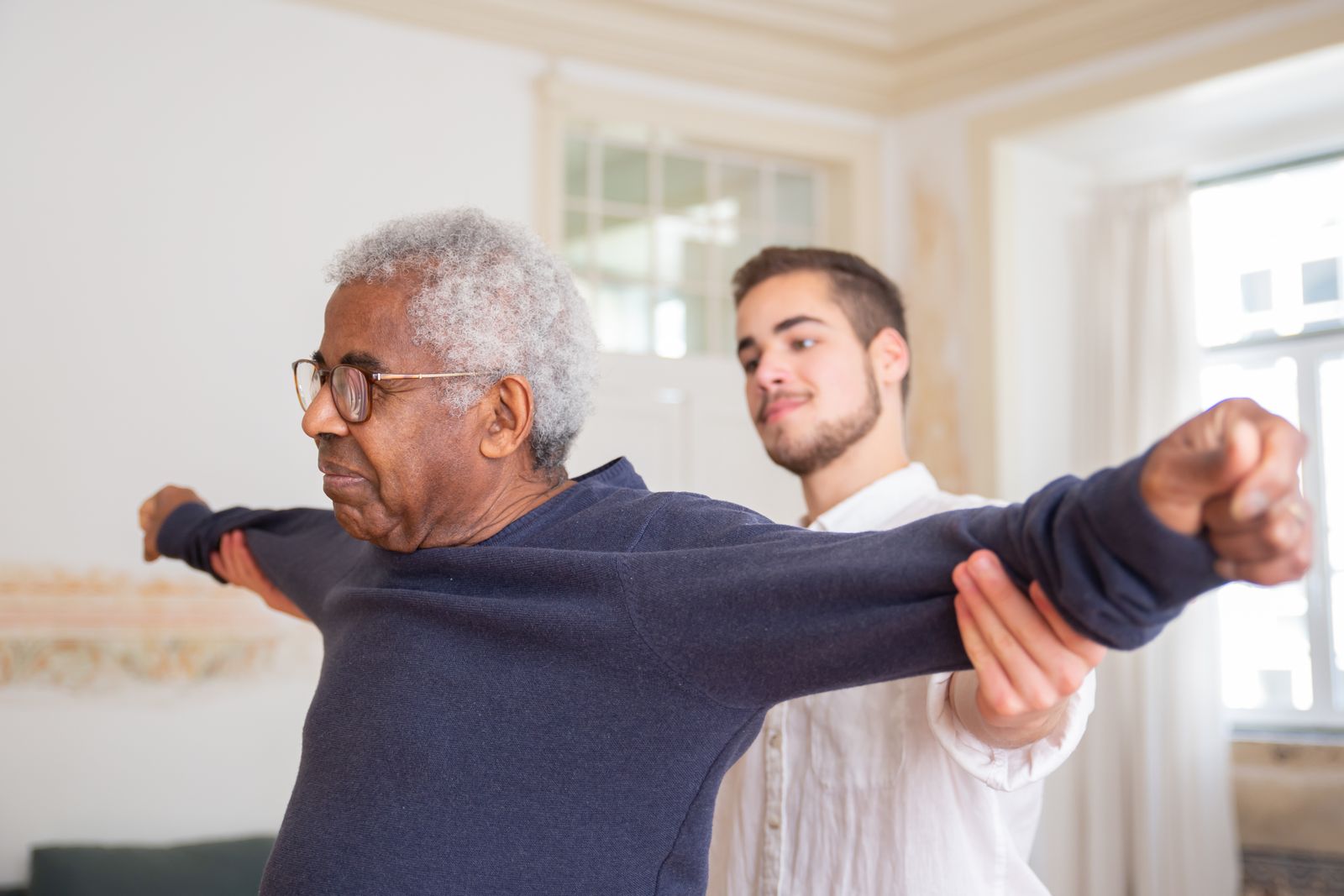
Feeling well after a planned stent is not a reason to skip it. Age is not a reason either. A program can be written for someone of 40 and for someone of 80, with different limits. Women are referred less often than men, even though people who complete the course are the ones who receive the benefit. If you have had a heart attack, a stent, or heart surgery and nobody has mentioned rehabilitation, ask. You cannot simply turn up. A clinician has to refer you, and that missing referral is one of the main reasons eligible people never go.
What the first visits look like
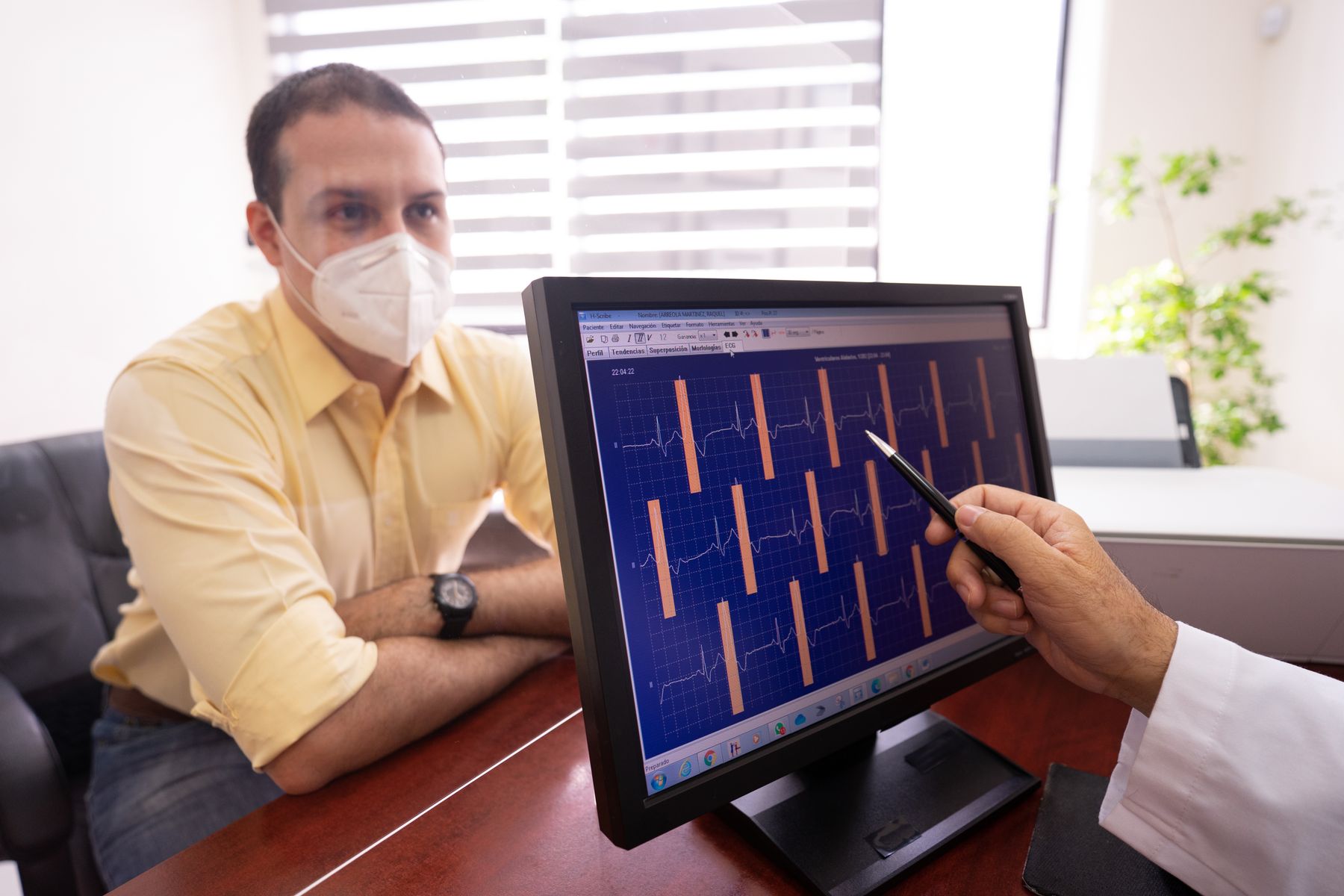
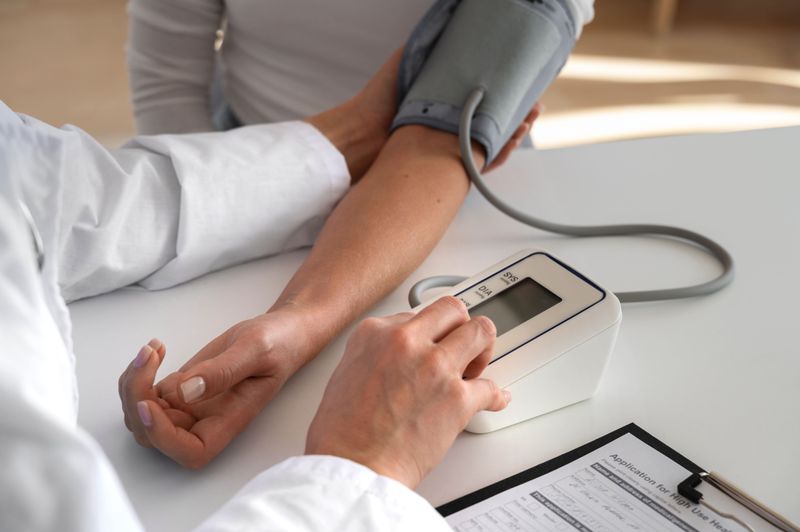
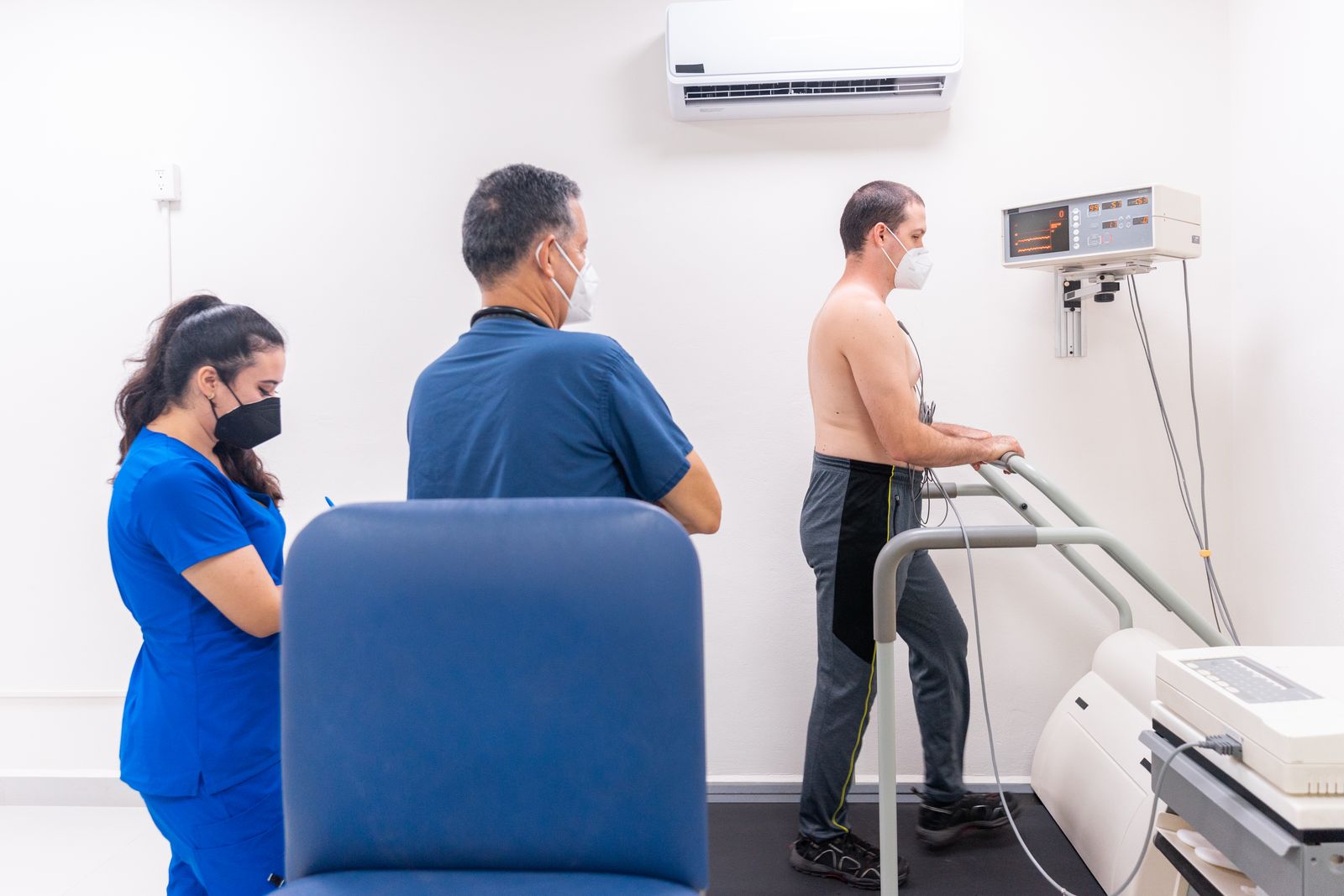
The opening visit is an assessment, not a fitness test you are meant to pass. Staff look at the diagnosis, the medicines, the wounds, what you could do before the event, and what frightens you now. Some people need an exercise stress test before the activity is increased, so the team can see how the heart behaves when it is asked to work. From there the sessions are usually on a treadmill, a stationary bike, a rowing machine, or a walking track. Heart rate, blood pressure, and the ECG are watched, and someone is looking for a change in symptoms, not only at a number on a screen.
The effort starts light and is built over weeks. A usual course is about 36 sessions across about 12 weeks, often several times a week, and that length changes with the condition and with the clinician's advice. Before and after the harder work, the American Heart Association suggests five to ten minutes of slow walking, so the pulse and the breathing rise and fall gradually, with some stretching once the session is over. The target intensity is set by the team. A practical guide they often use is the talk test: you should be breathing harder and still able to hold a conversation. If you can sing, the work may be too light. Strength training, for the arms and legs, is added only when the clinician says the heart is ready. It is not part of week one for everyone.
- A medical review first, including the limits set by the recent event
- A possible stress test before the activity is made harder
- Walking or cycling with heart rate, blood pressure, and the ECG watched
- A slow start and a slow finish to each session, rather than a sudden effort
- Strength work only after it has been cleared
- Time, in the same course, for food, weight, tobacco, medicines, and mood
The tablets stay in the plan
Getting fitter does not retire the prescription. After a stent, the two antiplatelet medicines and a statin are there to keep the treated artery, and the other arteries, from clotting or narrowing again. Blood-pressure tablets, a diabetes medicine, and anything prescribed for heart failure stay as well, unless the clinician who prescribed them changes the dose. One of the measured benefits of a rehabilitation program is that people are more likely to keep taking those preventive medicines. If a tablet is causing trouble, say so in the session. Stopping it quietly because a walk felt easy is a different decision, and it is the wrong one.
When the center is far, or you feel too unwell to go
Travel, work, and fatigue are the ordinary reasons people drop out, and they are worth saying out loud. If the nearest program is difficult to reach, ask what else is offered. Some programs now include sessions by video, with a clinician present for the whole session. That is still rehabilitation. A printed sheet of stretches, with no one watching and no way to report a symptom as it happens, is not. The 2024 guidance is clear that a new way of delivering the sessions does not change what has to be in them: a medical lead, a personal plan, prescribed exercise, attention to risk factors, and a look at mood. For people at lower risk, video and mixed programs have looked similar to a center-based course for safety and for risk-factor control. Ask which kind you are being offered, and who is on the other end of it.
Feeling too tired or too frail is also a clinical question, not a reason to disappear. Tell the team exactly where the discomfort is and what an ordinary day looks like. If they judge that you can take part, they should say how hard to push and what to avoid. The point of supervision is that the plan can be small. Bed rest beyond the time the heart needs becomes its own problem: muscles weaken, confidence falls, and the next walk feels harder than it had to.
What can improve, and what is not promised
Studies summarized by the American Heart Association have linked cardiac rehabilitation with a lower chance of dying from cardiovascular disease, a lower chance of another heart attack among people who join after one, fewer hospital admissions, better capacity for ordinary activity, and improvements in blood pressure, cholesterol, mood, and quality of life. Those are results across groups of people who attend. They are not a promise that a second event cannot happen to you. After the course, the walking, the food pattern, and the tablets are meant to continue. Many people feel more able in daily tasks by the end. The benefit fades if the only exercise was the one inside the session, and it stops on the last Thursday.
When to stop and get help
Stop the activity and tell the staff at once if something changes. The American Heart Association lists the signs that the work is too much, or that it may be a heart attack: squeezing, burning, pressure, or tightness under the breastbone, which may spread to the arm, shoulder, back, throat, or jaw; feeling light-headed, dizzy, or confused; exhaustion that is out of proportion to the effort; unusual or extreme shortness of breath; and a heartbeat that is suddenly fast or uneven. If that pressure lasts more than a few minutes, or it comes with nausea and sweating, call the local emergency service. Do not finish the walk to see if it settles, and do not drive yourself. The same rule applies on a day you are not at the program, including on the stairs at home.
Your questions, answered
Often yes. Feeling well is common after a planned stent, and the program is still recommended. It is where activity is increased with the rhythm and blood pressure watched, and where the medicines, food, and warning symptoms are gone through. Fitness you already have is a starting point, not a reason to skip the referral.